
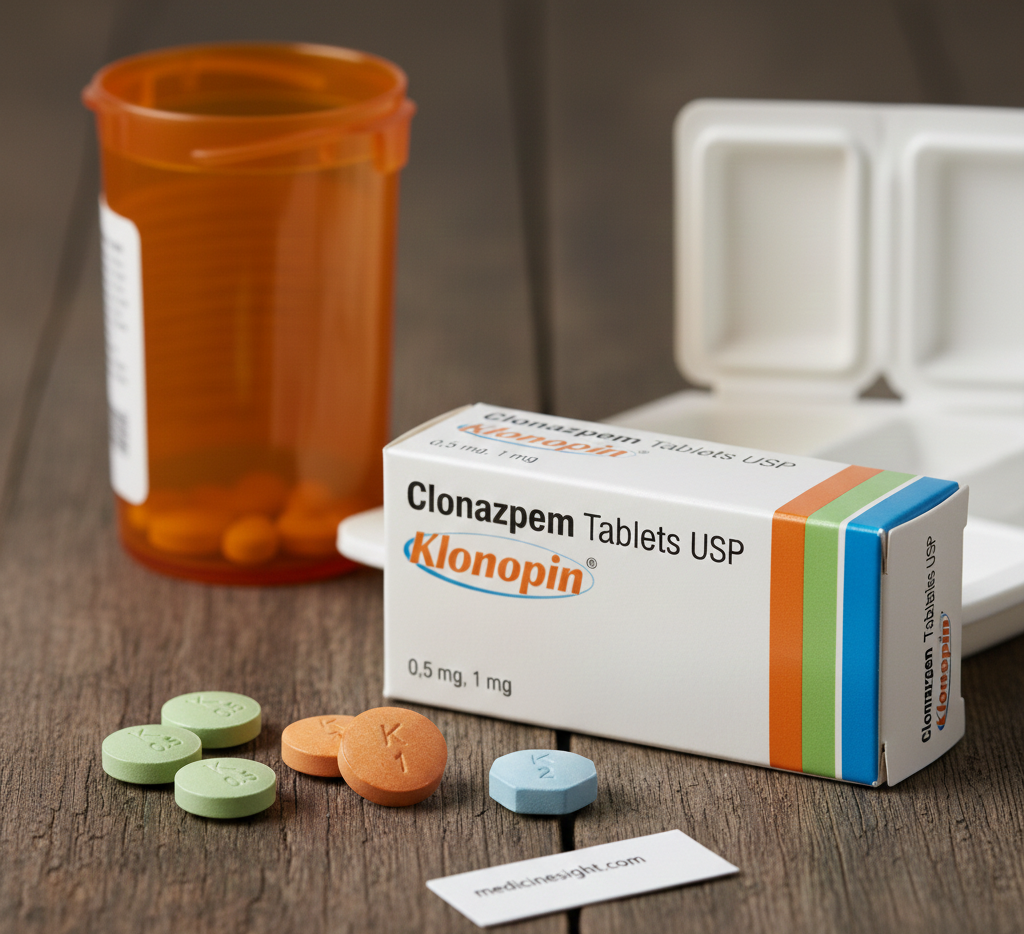
Clonazepam, commonly known by the brand name Klonopin, is a strong, long-acting medicine from the benzodiazepine family. Doctors normally suggested it to help control certain seizures (a sudden burst of electrical activity in the brain) and to treat panic disorder. It works rapidly in the brain to slow down overactive signals, which is why it assists people who struggle with sudden panic attacks or specific types of seizures. Because this medicine is powerful and can cause dependence if used the wrong way, it must always be taken exactly as a doctor directs.
How Clonazepam Works in the Brain?
Clonazepam reacts with a natural chemical in the brain called GABA, which helps calm nerves actively. When the medicine attaches to GABA receptors, it strengthens GABA’s calming effect. This slows down the motion of signals between brain cells, creating a steady, quieting effect. This is why the medicine can both stop seizures and fastly ease intense anxiety or panic.
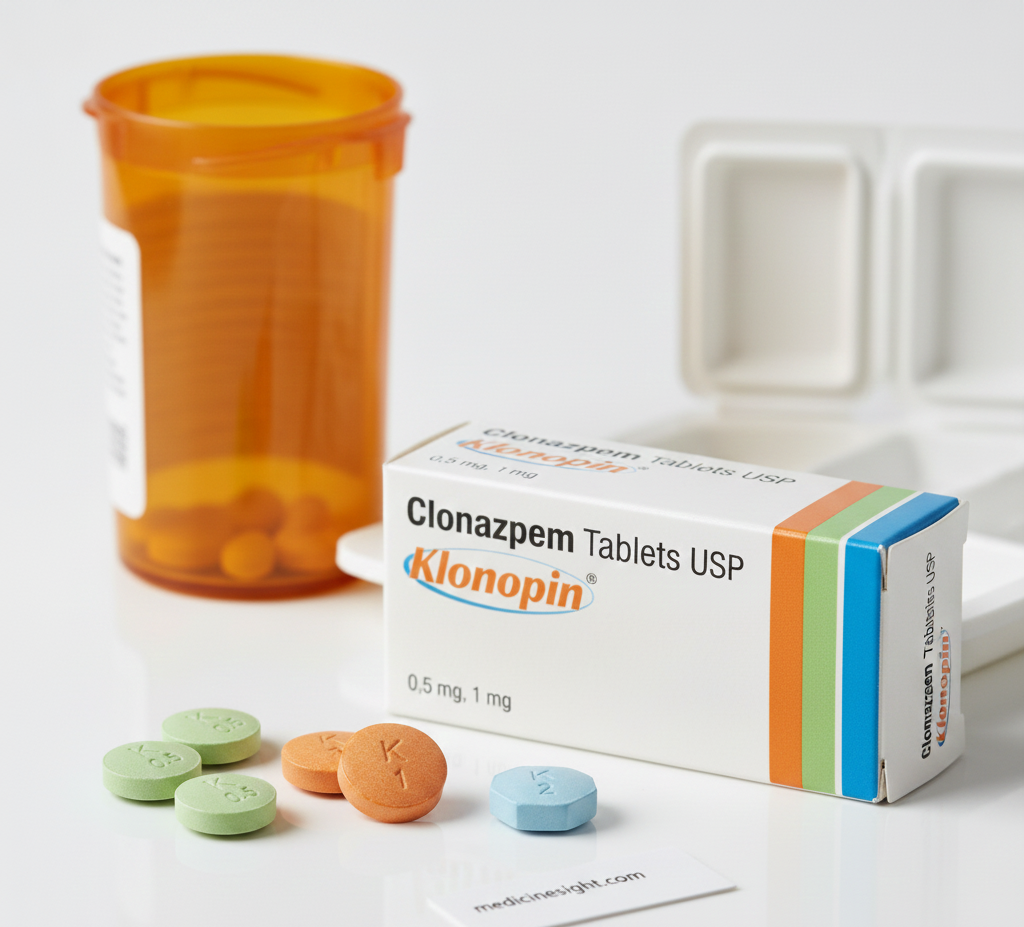
Use 1: Treating Seizure Disorganization
Clonazepam is a well balanced treatment for certain seizure disorders. It is mainly helpful for conditions such as Lennox-Gastaut syndrome, myoclonic seizures, and atonic seizures. It may also help the treatment of absence seizures when other medications haven’t worked. Because the medicine remains in the body for a long time, it helps maintain steady control over seizures. However, some people may develop patience over time, meaning the medicine may not work as well after long-term use. In such cases, a doctor may adjust the dose or add another treatment.
Use 2: Treating Panic Disorder and Sudden Anxiety
Clonazepam is also offered by doctors for panic disorder. Panic disorder involves sudden, overwhelming episodes of fear along with strong physical symptoms, such as a racing heart or breathing difficulty. Since Clonazepam starts working within about an hour, it can fastly break the cycle of panic. Still, because using it for long periods can lead to dependence, many doctors recommend it mainly for short-term or occasional use while longer-term treatments are put in place.
How to Take Clonazepam Safely
Clonazepam comes as regular tablets and as tablets that dissolve in the mouth. It can be taken with or without food. The dose depends on age, the condition being treated, and how someone responds to the medicine.
- For seizures, adults often start with 0.5 mg three times a day. The dose may slowly increase until seizures are well controlled.
- For panic disorder, adults usually start with 0.25 mg twice a day. The dose may increase if needed.
Never increase or stop the medicine on your own. Stopping suddenly can cause serious withdrawal symptoms.
Possible Side Effects and Safety Warnings
Because Clonazepam slows the nervous system, common side effects include drowsiness, tiredness, dizziness, and poor coordination. These usually lessen after the first weeks. Until you know how the medicine affects you, avoid driving or using heavy machinery. More serious risks include low mood, memory problems, or new troubling thoughts. Any unusual mental or emotional changes should be reported to a doctor immediately. Clonazepam must not be Joined with opioids unless absolutely necessary, as the combination can cause dangerous breathing problems, extreme sedation, or even death.
Dependence and Withdrawal Risks
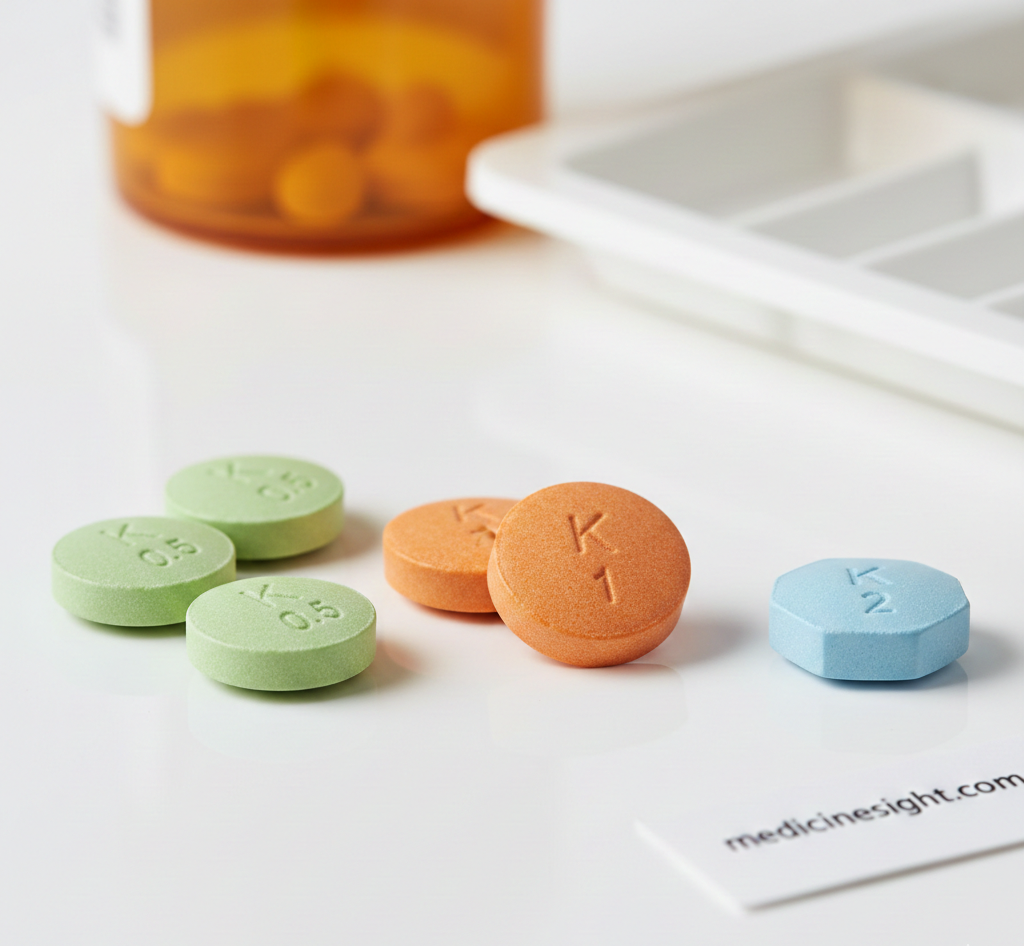
Like all benzodiazepines, Clonazepam can lead to physical and psychological dependence, especially if it is taken daily for more than a few weeks. If dependence forms, stopping too quickly can trigger withdrawal symptoms such as severe anxiety, shaking, insomnia, irritability, or even seizures. To prevent this, doctors reduce the dose slowly over time through a controlled taper.
Common Questions
How fast does Clonazepam work for panic?
Most people begin feeling calmer within 30 minutes to 1 hour, with full effects appearing after one to four hours.
Is Clonazepam addictive?
It can be. Even when taken correctly, the body can become dependent on it. Because of this, doctors prescribe it carefully and limit long-term daily use.
Can I drink alcohol while taking it?
No. Alcohol increases the medicine’s sedative effect and can slow breathing to dangerous levels. Recreational drugs and opioids carry similar risks.
Is it a lifelong treatment for seizure disorders?
Not always. While it can be very effective, some people develop tolerance over time. A neurologist decides whether Clonazepam should remain part of long-term treatment.How is Clonazepam different from other benzodiazepines?
It is stronger and lasts longer in the body than many other medicines in its class. This helps maintain a steady effect but can also cause daytime drowsiness for some people.
Leave a Reply