
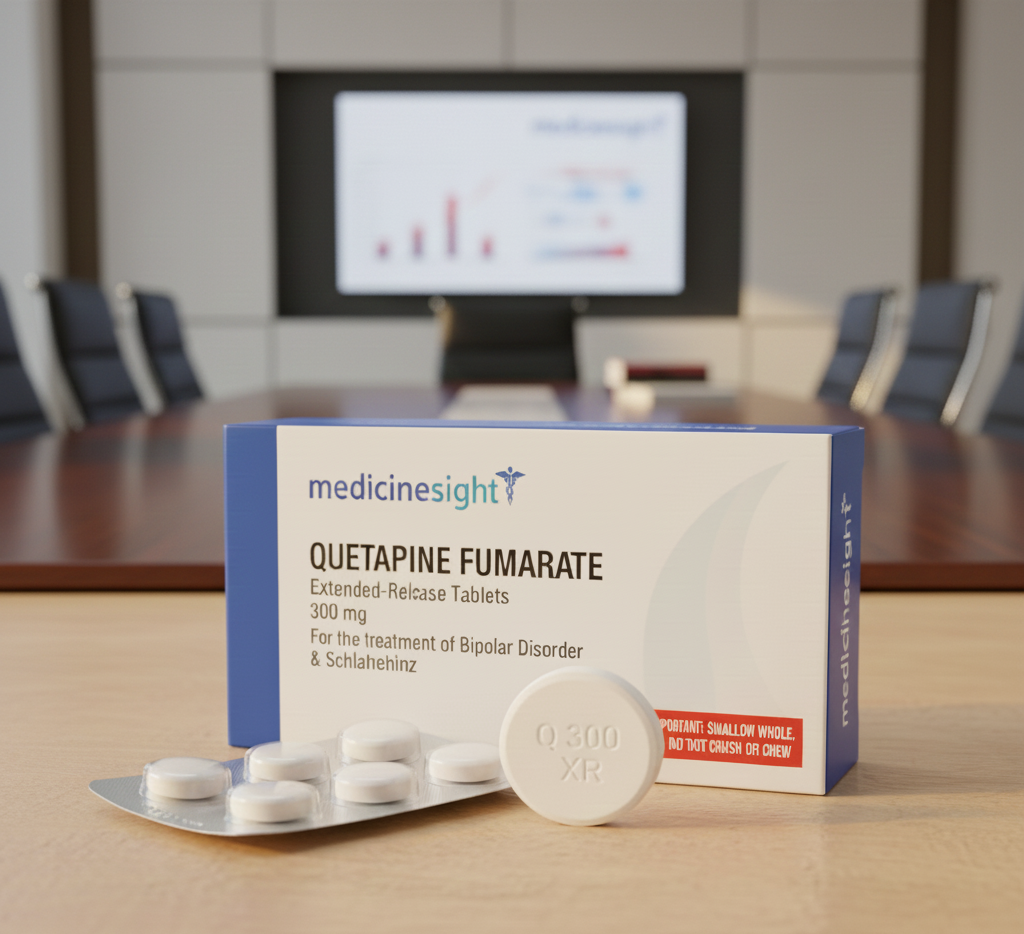
What Is Quetiapine (Seroquel) Tablet?
Quetiapine, commonly known by the brand name Seroquel, is an offered medicine mainly used to treat serious mental health conditions such as schizophrenia and bipolar misbehavior. It relates to a group of medicines called atypical antipsychotics. This medication works by helping maintain important brain chemicals, especially dopamine and serotonin. When these chemicals are out of level, they can affect mood, thinking, behavior, and perception of reality. By restoring level, Quetiapine helps reduce symptoms like mood swings, hallucinations, and disorganized thoughts.
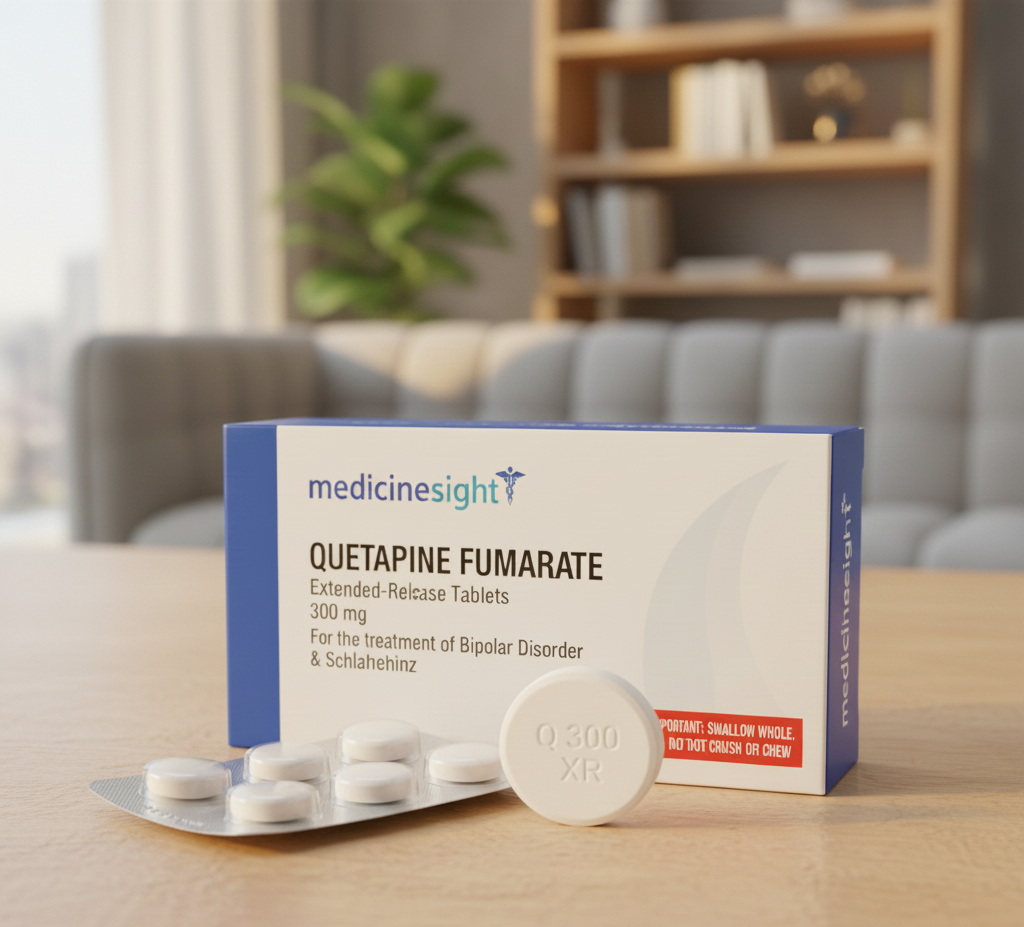
There are two forms available:
- Seroquel (Immediate-Release) – works quickly and is taken multiple times a day
- Seroquel XR (Extended-Release) – releases slowly and is usually taken once daily
In some cases, Quetiapine is also used along with antidepressants to help treat major depressive disease, especially when other treatments are not effective.
How Quetiapine Helps in Schizophrenia
Schizophrenia is a long-term mental health condition that can affect how a person thinks, feels, and understands reality. Symptoms may include hearing voices, false beliefs, lack of motivation, and emotional withdrawal.
Quetiapine helps manage both:
- Positive symptoms such as hallucinations and delusions
- Negative symptoms such as low energy, reduced emotions, and social withdrawal
Treatment normally starts with a low dose so the body can manage. The dose is then slowly increased over many days until the symptoms are well controlled. Most people with schizophrenia take between 400 mg and 800 mg per day, depending on how they respond. Regular follow-ups with a doctor are important to make sure the medication is working safely and effectively.
Role of Quetiapine in Bipolar Disorder
Bipolar disease causes extreme mood changes, including periods of mania (high energy, impulsive behavior) and depression (low mood, fatigue, hopelessness).
Quetiapine is widely used because it helps with:
- Manic episodes
- Depressive episodes
- Long-term mood stabilization
For mania, higher doses are usually needed, often between 400–800 mg daily. For bipolar depression, lower doses are effective most commonly 300 mg at night. The calming effect of the medication also helps improve sleep, which is commonly disturbed during depressive episodes. Because it works for both mood extremes, Quetiapine is considered a key medication for managing bipolar disorder.
Understanding the Different Tablet Types
Quetiapine comes in two main tablet forms:
Immediate-Release (IR)
- Taken two or three times a day
- Absorbed quickly by the body
- Useful when flexible dosing is needed
Extended-Release (XR)
- Taken once daily, usually in the evening
- Releases medicine slowly throughout the day
- Must be swallowed whole, never crushed or chewed
Your doctor decides which form is best based on your condition, lifestyle, and how your body reacts to the medicine.
Important Safety Warnings
Quetiapine is a strong medication and comes with serious safety warnings.
- Elderly patients with dementia-related psychosis should not use this drug, as it may high the risk of death.
- Young people (under 25) may experience increased suicidal thoughts when starting treatment, especially if the medicine is used for depression. Close monitoring is very important.
Rare but serious reactions can also occur, such as:
- Neuroleptic Malignant Syndrome (NMS) causes high fever, muscle stiffness, and confusion
- Tardive Dyskinesia involuntary movements that may become permanent
Immediate medical attention is needed if severe symptoms appear.
Common Side Effects and Health Monitoring
Many people tolerate Quetiapine well, but some common side effects include:
- Sleepiness
- Dizziness
- Dry mouth
- Constipation
These effects are often stronger when starting treatment or increasing the dose.
Quetiapine can also affect metabolism, so doctors regularly monitor:
- Weight gain
- Blood sugar levels
- Cholesterol and triglycerides
Maintaining a healthy diet, staying active, and attending routine checkups can help reduce these risks.
Drug Interactions and Special Care Groups
Quetiapine is processed by the liver, so certain medicines can high or low its levels in the body. Some drugs may require dose adjustments, while alcohol should be avoided because it can increase drowsiness and low blood pressure.
Special care is needed for:
- People with liver problems start with lower doses
- Older adults slower dose increases are recommended
- Pregnant or breastfeeding women risks and benefits must be carefully evaluated
Common Questions About Quetiapine
Is Quetiapine addictive?
No. It is not considered addictive. However, stopping it suddenly may cause symptoms like nausea or insomnia, so it should always be reduced gradually under medical supervision.
Why is the dose lower for bipolar depression?
Lower doses work well for depression because the medication affects brain chemicals differently at those levels. Higher doses are needed for controlling psychosis or mania.
Does Quetiapine cause weight gain?
Weight gain is common, especially early on. Managing diet, exercise, and regular health checks can help control this side effect.
Can I switch from IR to XR on my own?
No. Any change in form or dosing must be done with your doctor’s guidance to avoid side effects or loss of symptom control.
Why does Quetiapine have fewer movement-related side effects?
Compared to many antipsychotics, Quetiapine interacts more gently with dopamine receptors. This lowers the risk of tremors, stiffness, and restlessness, making it better tolerated by many patients.
Leave a Reply