
What Sertraline Is and How It Works
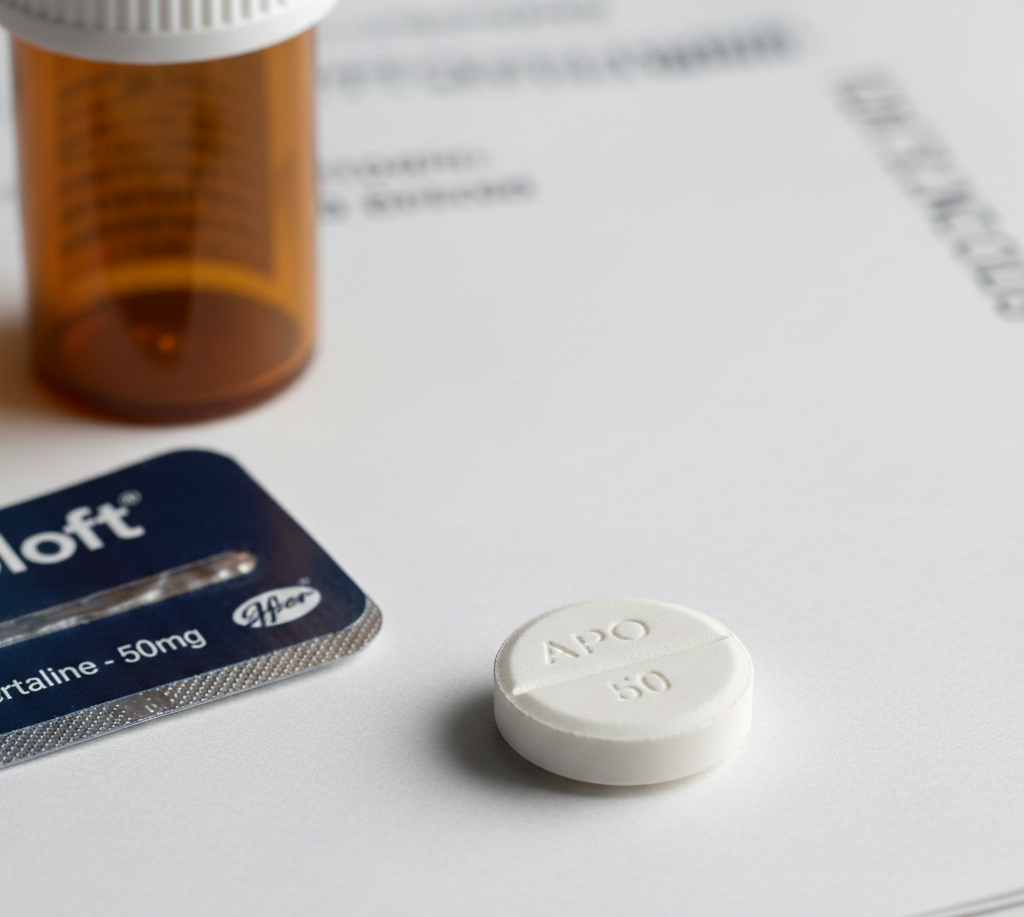
Sertraline best known by the brand name Zoloft is one of the most commonly used medicines for depression and various types of restlessness. It relates to a group of medications called SSRIs. These tablets help increase the quantity of serotonin in your brain. Serotonin is commonly called the “feel-good chemical” reason is it plays a big role in your mood, sleep, and overall emotional balance. Sertraline cannot work all night. Commonly people start noticing real positive results after 4–6 weeks. That’s why taking it consistently, exactly as your doctor recommends, is highly crucial.
What Sertraline Is Used For?
Although people commonly know Sertraline for dealing depression and general restless, it actually helps with many other mental health conditions, including:
- OCD – reduces unwanted thoughts and repetitive behaviors
- Panic Disorder – lowers the number and intensity of panic attacks
- PTSD – helps manage emotional symptoms related to trauma
- Social Anxiety – eases fear and discomfort in social situations
- PMDD – helps stabilize mood changes before periods
Its wide range of uses is one of the reasons Sertraline is so widely prescribed.
How to Take Sertraline Properly
Most people take Sertraline once a day morning or evening depending on how it affects you.
- If it makes you sleepy → take it at night.
- If it keeps you awake → take it in the morning.
You can take it with or without food, although food may help prevent stomach upset.
If you’re given the liquid version, you must mix it only with:
water, ginger ale, lemon/lime soda, lemonade, or orange juice.
No other liquids should be used.
Try to take it at the same time every day so your body stays on a steady routine.
Finding the Right Dose
Your doctor will choose your dose based on your condition, age, and overall health.
- For depression or OCD, adults usually start at 50 mg daily.
- For panic disorder, PTSD, or social anxiety, doctors often begin with 25 mg for the first week, then increase to 50 mg.
The highest dose most people ever need is 200 mg per day. Doses are increased slowly to avoid side effects, especially in people with liver problems, who may need lower amounts.

Possible Side Effects
Many people tolerate Sertraline well, but some may experience:
- Nausea or stomach issues
- Trouble sleeping or feeling sleepy
- Dizziness or tremors
- Sweating more than usual
- Feeling tired
Sexual bad effects such as low libido or delayed orgasm are also common. Don’t hesitate to mention these to your doctor; often the dose can be adjusted. Serious but rare problems include Serotonin Syndrome or low sodium levels. Signs like confusion, fast heartbeat, major restlessness, or muscle rigidity should be treated as emergencies.
Important Safety Information
Sertraline carries an FDA Black Box Warning. Young people (under 25) may experience increased suicidal thoughts when first starting the medication or changing doses. Caregivers and family should keep a close eye on mood changes during this period. Never take Sertraline with MAOIs (a different type of antidepressant). A gap of 14 days is required between these medicines.
Other interactions include:
- NSAIDs like ibuprofen or naproxen
- Blood thinners like warfarin
- St. John’s Wort
- Grapefruit juice (which can raise Sertraline levels)
Tell your doctor about every medicine or supplement you’re using, even over-the-counter ones.
Stopping Sertraline Safely
You should never stop Sertraline suddenly. Doing so may cause withdrawal-like symptoms, such as dizziness, nausea, anxiety spikes, and “electric shock” sensations.
When it’s time to stop, your doctor will guide you through a slow tapering schedule, usually over several weeks or longer. This helps your brain adjust gradually and prevents uncomfortable symptoms.
FAQ
1. How long until Sertraline starts working?
Most people need 4–6 weeks before feeling a major improvement, although some notice small changes (better sleep or appetite) earlier.
2. Is Sertraline addictive?
No, it doesn’t create cravings or a “high.” But your body can get used to it, which is why stopping suddenly may cause withdrawal symptoms.
3. Can Sertraline affect weight or sex life?
Yes, some people gain or lose weight. Sexual side effects like low sex drive or trouble finishing are also common. Talk to your doctor if they bother you.
4. Who should not take Sertraline?
People using MAOIs or the medication pimozide must avoid Sertraline. Those with untreated narrow-angle glaucoma should be cautious too. Your doctor will check your health history to make sure it’s safe for you.
Leave a Reply