
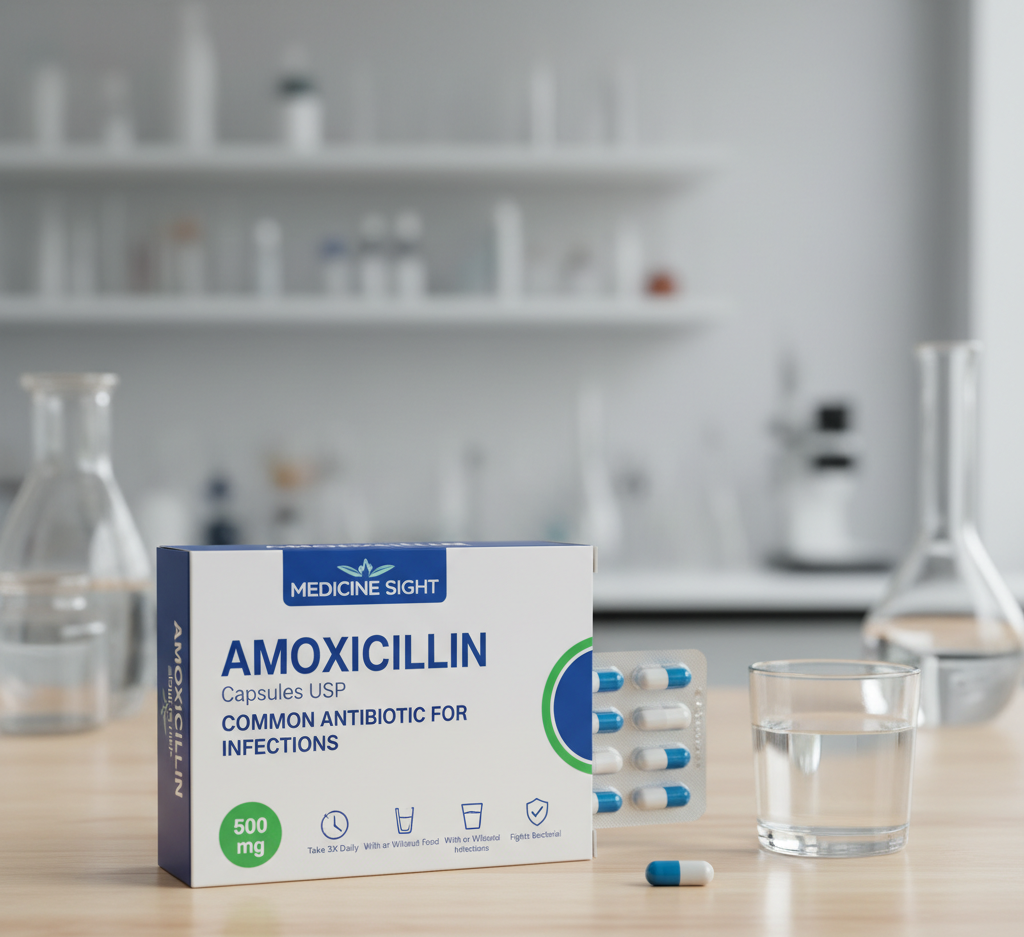
Amoxicillin: An Detailed Definition of the Broad-Spectrum Workhorse
Amoxicillin, a member of the penicillin class of drugs, is one of the most common antibiotics given in the world. It is well known for its worldly effectiveness against a variety of typical bacterial illnesses since it is a semi-synthetic aminopenicillin. Its clinical value is extensive, providing a dependable treatment pathway for illnesses ranging from major respiratory and skin disorders in adults to acute ear infections in infants. Amoxicillin functions by focusing on and preventing the last stage of bacterial cell wall construction, which is crucial for the bacteria to live and grow rapidly. The medication defeats the infection by interfering with this mechanism, which leads to the bacterial cells breaking and dying. Because of its exceptional oral bioavailability, which allows for good bloodstream absorption, it is a very practical and effective first-line treatment, solidifying its status as a vital antibiotic in contemporary medicine. In order to meet the demands of both patients and researchers, this guide offers comprehensive, genuine, and accurate information on every surface of this drug.
The Area of Infections Amoxicillin Deals and How It Functions
Amoxicillin works firstly through a bactericidal mechanism. It has a distinctive beta-lactam ring in its chemical structure, which symbolizes that it operates as a beta-lactam antibiotic. This ring is essential because it forms an irreversible bond with penicillin-binding proteins (PBPs), which are found on the bacterial cell wall’s inner membrane. PBPs are transpeptidase enzymes that are necessary for the cross-linking of peptidoglycans, which are the cell wall’s constituents. A damaged, brittle cell wall results from the cross-linking being stopped when amoxicillin attaches to them. The bacterial cell then lyses (breaks open) and dies as a result of osmotic pressure. Amoxicillin works best against organisms that do not produce penicillinase. Infections like strep throat, sinusitis, otitis media (middle ear infection), lower respiratory tract infections (such as some forms of pneumonia and bronchitis), skin and soft tissue infections, and some urinary tract infections (UTIs) are among the typical conditions for which it is recommended. It is also a crucial part of Helicobacter pylori eradication therapy plans, frequently used in conjunction with other medications.
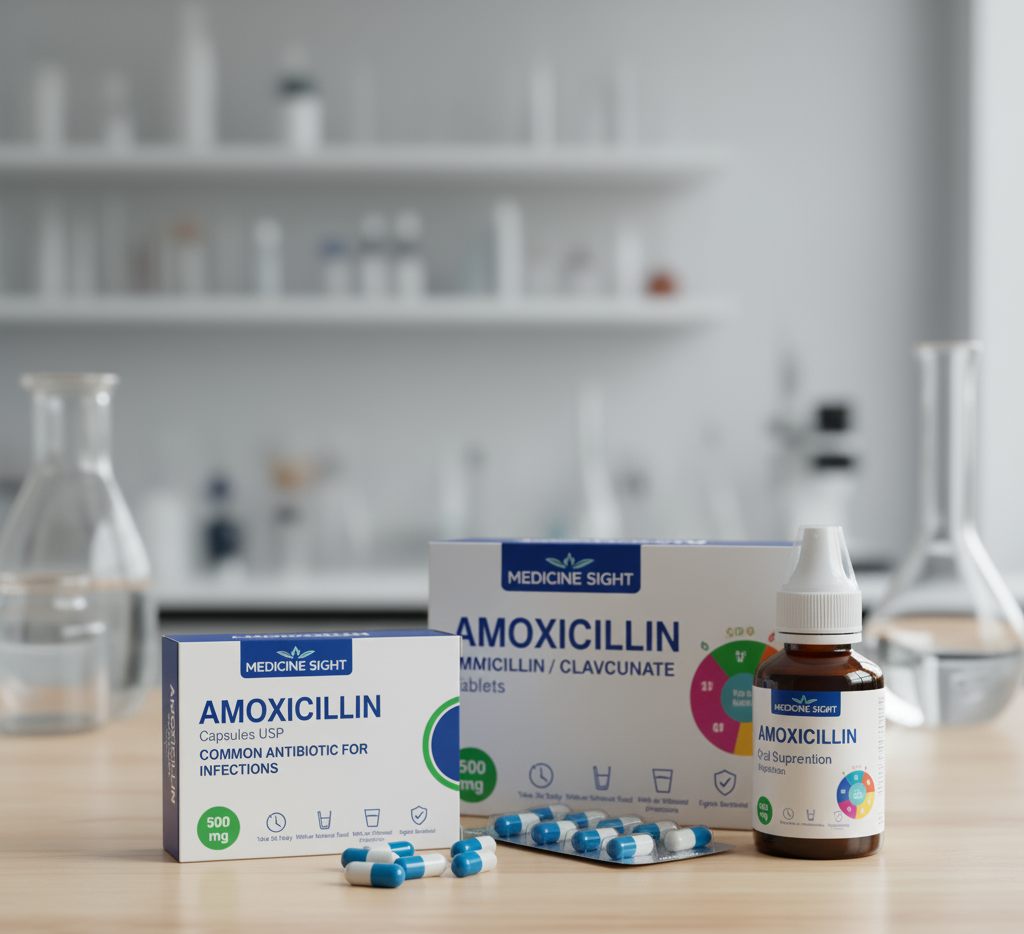
Dosage and Administration: An Critical Addresses to Amoxicillin Use
To confirm treatment success and low the danger of antibiotic resistance, it is crucial to interpret the exact dosage and administration plan for amoxicillin. Due to the dosage, frequency, and duration of Amoxicillin depending on the patient’s age, weight, the severity of the infection, and the particular bacteria involved, it is imperative that you completely adhere to your healthcare provider’s instructions. Children’s oral suspension (liquid), chewable tablets, and capsules are examples of standard formulations. For mild-to-moderate infections, adults often take 250–500 mg 3 doses in a day or 500–875 mg double in a day every 8 hours or 12 hours, various. Although taking the medication with a meal can sometimes help lessen stomach discomfort, it can usually be taken with or without food. Even if symptoms subside rapidly, it is imperative to finish the entire course of amoxicillin as advised. A renewal of the infection and the emergence of antibiotic resistance may result from stopping the drug too soon, which permits the stronger, more robust germs to be favorable.
The Seriousness of Clavulanate in Amoxicillin Variations (Amoxicillin/Clavulanate)
Even while amoxicillin works very well on its own, bacterial resistance has led to the creation of significant amoxicillin variants. The most important of these is the merger product, which unites Amoxicillin with Clavulanic Acid (or Clavulanate Potassium) and is frequently marketed under trade names like Augmentin. When treating infections brought on by bacteria that generate the enzyme beta-lactamase, this combination is essential. This enzyme, which cleaves and deactivates Amoxicillin’s beta-lactam ring, is the bacteria’s defense mechanism. Beta-lactamase is inhibited by clavulanic acid. It attaches itself to the bacterial enzyme and renders it irreversibly inactive, preventing the amoxicillin from breaking down. Amoxicillin/Clavulanate is an essential medication for infections such as severe sinusitis, some pneumonias, and complex skin or animal-bite diseases where resistance is predicted or confirmed because of this synergy, which successfully broadens the antibiotic’s spectrum of activity to include resistant bacteria.
Essential Protection Measures and Common Amoxicillin Bad Effects
Patients must inform their doctor if they have ever examined a penicillin allergy before beginning Amoxicillin. Amoxicillin poses the danger of a serious, sometimes fatal allergic reaction (anaphylaxis), hence it should not be taken by anyone who has a history of hypersensitivity to any penicillin-type medication or other beta-lactam antibiotics (such as cephalosporins, though cross-reactivity is less likely). Nausea, vomiting, diarrhea, and a skin rash which is occasionally non-allergic, particularly in patients with mononucleosis are usual, milder adverse effects of Amoxicillin. If a patient has severe, watery diarrhea, they should call their doctor since this could be an indication of Clostridium difficile-associated diarrhea (CDAD), a dangerous infection that can happen with nearly any drug. Although hepatic side effects are uncommon, other crucial considerations include monitoring for changes in liver function and exercising caution in patients with kidney illness, as the medicine is predominantly eliminated by the kidneys.

Information on Patient Safety and Possible Drug Interactions
Before initial Amoxicillin, a thorough evaluation of all existing drugs is required for the authentic possible patient safety. Despite the medication’s general safety, a number of drug interactions may reduce its effectiveness or raise the possibility of adverse effects. For example, by decreasing its renal excretion, the union of Amoxicillin plus probenecid, a gout treatment, can raise and extend Amoxicillin levels in the body. Amoxicillin and allopurinol, which are both used to treat gout, greatly raise the risk of getting a skin rash. Additionally, oral contraceptives, such as birth control pills, may become less effective when taken with antibiotics like amoxicillin, forcing women to utilize a backup method of birth control. Amoxicillin can occasionally intensify the anticoagulant effect in individuals using warfarin or other anticoagulants, so careful monitoring of INR levels is necessary to avoid severe bleeding.
Utilization in Particular Groups and Dedication to Antibiotic Management
Amoxicillin is highly + widely used in a variety of patient populations due to its generally good safety profile. Because of its effectiveness and palatability, it is a mainstay in the treatment of infectious diseases in children. Amoxicillin, which is usually classified as a Pregnancy Category B medication (no indication of danger in human trials), is widely regarded as safe during pregnancy and lactation and is frequently chosen as an antibiotic alternative. Like any drug, though, use should only be done under appropriate medical supervision, and the advantages must always be balanced against any potential hazards. Due to age-related declines in kidney function, dose changes may be required for elderly patients. Lastly, a key component of antibiotic stewardship is the appropriate prescription and usage of amoxicillin. To preserve this vital antibiotic for future generations, global health goals include prescribing only when a bacterial illness is proven, employing the narrowest effective range, and making sure patients follow the entire course.
Questions & Answers Section for Patients and Researchers
Q: Can Amoxicillin treat a viral infection, like the common cold or flu?
A: No. Amoxicillin is an antibiotic designed only to kill or inhibit the growth of bacteria. It is entirely ineffective against viruses, which cause illnesses like the common cold, flu, and COVID-19. Taking antibiotics unnecessarily for a viral infection will not help you recover and instead contributes to the development of dangerous antibiotic resistance.
Q: What should I do if I miss a dose of Amoxicillin?
A: Take the missed dose as soon as you remember, unless it is almost time for your next scheduled dose. In that case, skip the missed dose and resume your regular dosing schedule. Do not double the dose to catch up. Maintaining consistent levels of the drug in your system is important, so try to keep your doses evenly spaced.
Q: How long does it typically take for Amoxicillin to start working?
A: Most patients begin to feel symptomatic improvement within 24 to 72 hours of starting Amoxicillin, especially if the infection is highly susceptible to the drug. However, this early improvement does not mean the infection is fully eradicated. You must continue taking the medication for the entire prescribed duration to ensure all harmful bacteria are killed.
Q: Is there a specific diet I should follow while taking Amoxicillin?
A: There is no required specific diet. Amoxicillin can be taken with or without food. However, many patients find that taking the medication with food or milk helps to minimize stomach upset, nausea, or mild digestive issues. Consuming probiotics (like yogurt or supplements) can also help manage antibiotic-associated diarrhea by restoring healthy gut bacteria.
Q: Why is Amoxicillin sometimes prescribed with another medication like Clavulanate (as Augmentin)?
A: This combination is used when the infection is suspected or proven to be caused by bacteria that are resistant to Amoxicillin alone. The bacteria produce an enzyme (beta-lactamase) that destroys Amoxicillin. Clavulanate protects the Amoxicillin from this enzyme, allowing the antibiotic to successfully kill the resistant bacteria, thus broadening its overall effectiveness.Disclaimer: This page is meant primarily as information and should not be used in place of expert medical advice, diagnosis, or care. If you have any queries about a medical condition or treatment, you should always consult a trained healthcare professional. Never ignore or put off getting competent medical advice because of anything you have read here.
Leave a Reply