
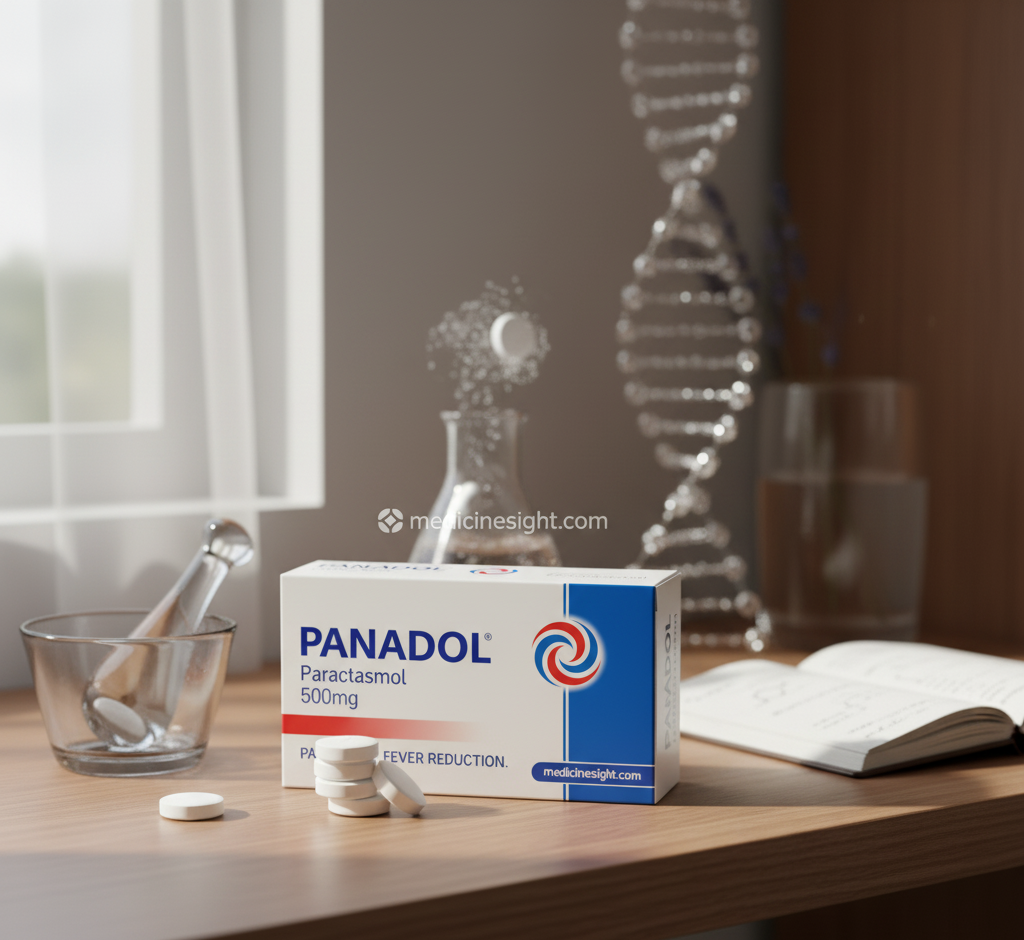
The Panadol Core: Understanding Acetaminophen, or Paracetamol
Therapeutic Applications and Relief Spectrum
Panadol (Paracetamol) is a first-line treatment for a variety of mild-to-moderate fever and pain symptoms due to its adaptability. It is hugely used to treat usual illnesses that interfere with day-to-day living. The following are among the most popular therapeutic applications:
Migraines and Headaches: From tension headaches to the quick phases of a migraine attack.
Aches lead the way on by sprains, strains, and moderate joint pain are referred to as musculoskeletal pain, especially in non-inflammatory diseases like osteoarthritis.
While awaiting senior dental care, dental pain and toothaches can be effectively relieved.
Dysmenorrhea, or menstrual cramps, is a dependable treatment for the discomfort linked with the monthly period.
Fever and Cold/Flu Symptoms: Applied to decrease fever and the associated body aches and pains caused by viral infections.
Its ability to deliver authentic, mild relief guarantees that patients can promptly return to their regular activities. Since Panadol may be used in conjunction with other treatments, a healthcare practitioner should always be consulted for severe or chronic inflammatory pain.
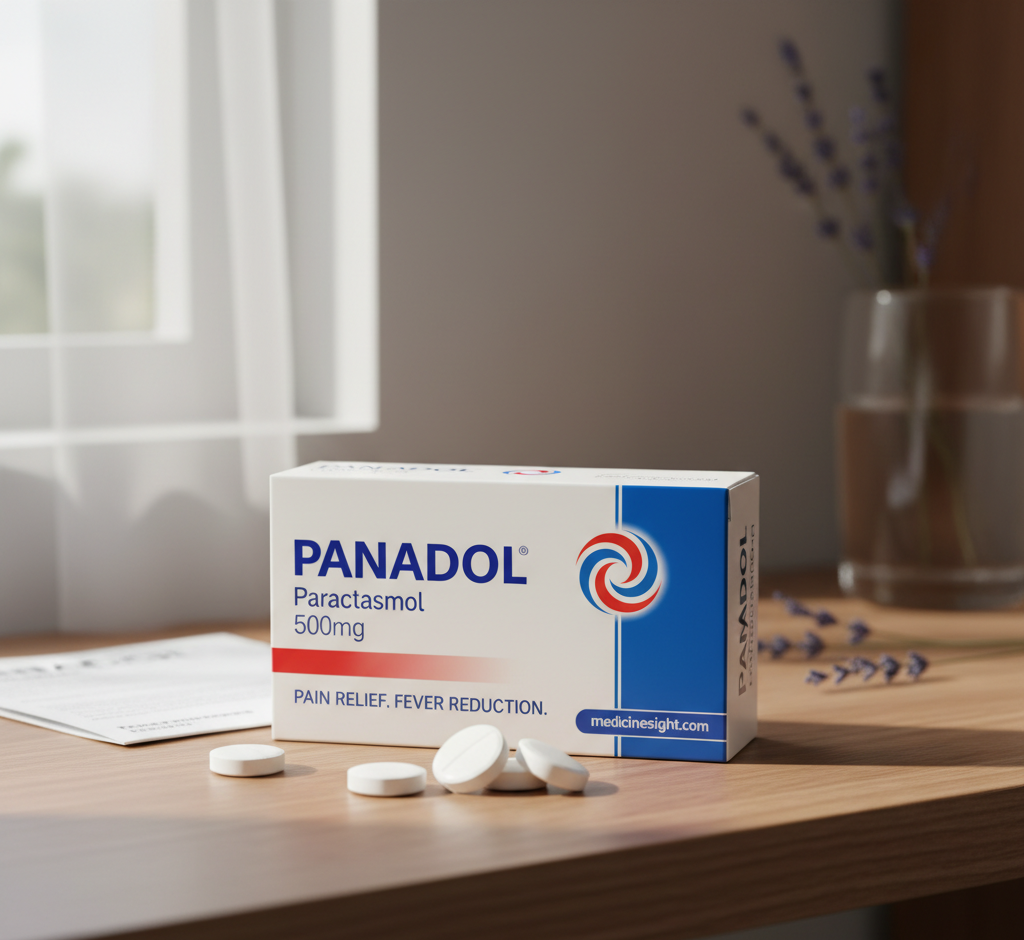
Important Dosage Instructions: Safe & Secure Use of Panadol
Since going upper the nominated dosage is the main way to cause potentially fatal liver damage (hepatotoxicity), following the particular dosage guidelines is essential for the safe use of Panadol (Paracetamol).
Standard Adult Dosage (Age 16 and Up): One or two 500 mg tablets given orally every four to six hours, as needed, is the usual dosage.
The Absolute Maximum Daily Dosage: In a 24-hour period, an adult should never take more than 4,000 milligrams (4g), or eight 500mg tablets. Doses need to be separated by at least four hours.
Administration: Tablets can be taken with or without food, and they should be swallowed whole with water. Doses must be modified according to age, weight, and particular medical advice for children under the age of sixteen or for those with specific medical conditions. There are suppository and liquid (syrup) versions available, and the dose is accurately measured with the supplied cup or syringe rather than a regular kitchen spoon. Always take the lowest effective dose for the shortest amount of time required to control symptoms.
Various Versions & Customized Panadol Recipes
A number of specialty formulations under the Panadol brand are planned to suit various patient order and symptom profiles. Maximizing treatment benefit requires an understanding of these variations:
Panadol Extra (Paracetamol + Caffeine): This most liked version combines the well-known analgesic adjuvant caffeine with paracetamol. It is believed that caffeine intensifies the analgesic effects of paracetamol, which makes it especially useful for more severe migraines and head pain. To prevent adverse effects like restlessness or insomnia, users should be careful about how much caffeine they consume overall from other sources, such as coffee, tea, and energy drinks.
Panadol Cold & Flu: These medications treat the entire spectrum of cold and flu symptoms at once by mixing paracetamol with decongestants (such as pseudoephedrine or phenylephrine) and occasionally an antihistamine. To make sure the overall dosage of paracetamol does not exceed the 4g daily limit, it is essential to review the ingredient lists of any combined medications.
Panadol for Children (Syrup/Suspension): To guarantee safe administration to infants and children, these liquid formulations are precisely dosed based on body weight rather than age alone. The directions on the packaging or from a pediatrician must be strictly followed by parents and other caretakers.
Different Versions & Customized Panadol Recipes
A number of specialty formulations under the Panadol brand are intended to suit various patient demands and symptom profiles. Maximizing treatment benefit requires an understanding of these variations:
Panadol Extra (Paracetamol + Caffeine): This well-liked version blends the well-known analgesic adjuvant caffeine with paracetamol. It is thought that caffeine intensifies the analgesic effects of paracetamol, which makes it especially useful for more severe migraines and headaches. To prevent adverse effects like restlessness or insomnia, users should be careful about how much caffeine they consume overall from other sources, such as coffee, tea, and energy drinks.
Panadol Cold & Flu: These medications treat the entire spectrum of cold and flu symptoms at once by combining paracetamol with decongestants (such as pseudoephedrine or phenylephrine) and occasionally an antihistamine. To make sure the overall dosage of paracetamol does not exceed the 4g daily limit, it is important to review the ingredient lists of any combined medications.
Panadol for Children (Syrup/Suspension): To guarantee safe administration to infants and children, these liquid formulations are exactly dosed based on body weight rather than age alone. The directions on the packaging or from a pediatrician must be strictly followed by parents and other caretakers.
Who Needs to Be Wary? Drug Interactions and Warnings
Although the majority of people believe Panadol to be safe, certain people need to speak with a healthcare provider before using it. This is crucial for controlling underlying health risks and avoiding interactions:
People with Liver or Kidney Disease: Because the liver metabolizes paracetamol and the kidneys eliminate it, people with pre-existing impairment may need to take it less frequently or at a lower dose.
Chronic Alcohol Users: Even at therapeutic dosages, frequent, excessive alcohol use can greatly raise the risk of liver damage when coupled with paracetamol. Stay far away from drinking alcohol while taking the medicine.
For patients on Warfarin (a blood thinner), using Panadol occasionally for a few days is usually safe. Chronic daily use of Warfarin, however, may somewhat intensify its effects, raising the risk of bleeding. For long-term pain management, a doctor’s regular monitoring is necessary.
Women Who Are Pregnant or Nursing: At suggested dosages, paracetamol is commonly regarded as the safest pain reliever and fever reducer during pregnancy and lactation. It should still be taken for the shortest amount of time and at the lowest dose feasible.
Optimizing Usage; Top Techniques for Effectiveness and Patient Confidence
Patients must commit to responsible use in order to guarantee the greatest potential treatment outcome and uphold the high level of safety expected from a medication offered on medicinesight.com. Never forget that the purpose of Panadol is to treat fever and discomfort in the short term. You must stop self-treating and see a doctor to look into the underlying reason if your symptoms of either pain or fever remain for longer than three days even after taking the prescribed dosage. Long-term, unsupervised use is not advised as it may conceal a more serious illness. The most trustworthy source of individualized advice is still a doctor or pharmacist, so always read the patient information booklet thoroughly. Panadol and Medicinesight’s primary goal is to ensure patient safety and transparency.
Addressing Patient and Researcher Concerns in the Questions & Answers (Q&A) Section
1. Can Chronic Pain Problems like Arthritis be Treated with Panadol Over the Long Period?
Response: Latest research has called into question the effectiveness of Panadol for a number of chronic inflammatory disorders, including lower back pain and some types of osteoarthritis, indicating that it may not be as helpful as previously believed. Additionally, long-term, high-dose usage of paracetamol may raise the incidence of several side effects, such as cardiovascular problems (slightly elevated blood pressure) and gastrointestinal bleeding (albeit less than with NSAIDs), according to observational studies. In conclusion, even if its safety profile is good for short-term use, prolonged usage should only be carried out under close medical supervision and dose monitoring in order to weigh the modest advantages against any potential risks.
2. Can I Take an NSAID Like Ibuprofen and Panadol at the Same Time?
Response: Yes, if your doctor or pharmacist advises it and you take the recommended maximum dosages of both medications, it is generally safe for adults to take paracetamol and ibuprofen combinely. They offer a complementary method of reducing fever and pain since they function differently and are digested differently. You must take care to follow the dosage instructions for each drug and refrain from taking any other medications that contain ibuprofen or paracetamol.
3. What Distinguishes Acetaminophen from Paracetamol?
Response: Acetaminophen and paracetamol are identical chemical compounds: C₈H₉NO₂ is N-acetyl-para-aminophenol. Derived from the drug’s chemical name, the non-proprietary name Paracetamol has been adopted globally, including in the UK, Australia, and most other countries. Based on the same chemical structure, the non-proprietary name Acetaminophen (commonly shortened to APAP) is used in the United States. Regardless of the geographical non-proprietary term used, this chemical has several brand names, including Panadol.
4. How should I Proceed if I Overlook a Dosage?
Answer: If you do not remember to take your Panadol, take it as soon as you remember, as long as it is at least four hours before your next dose is due. Just skip the missed dose and carry on with your usual routine if your next planned dose is almost here. Never take two doses to make up for one you missed because doing so raises the risk of liver damage and an acute overdose.
5. For kids with Fever, Why is Paracetamol Better than NSAIDs?
Response: Since paracetamol is generally thought to be safer for the stomach and does not carry the rare but dangerous risk of Reye’s Syndrome, which can happen when children with spread infections are given aspirin (a form of NSAID), it is frequently chosen for children. Although Ibuprofen is equally safe and frequently used in children, paracetamol is the primary choice for reducing fever in pediatric care due to its well-established safety profile and non-irritating nature to the stomach lining.
Leave a Reply