
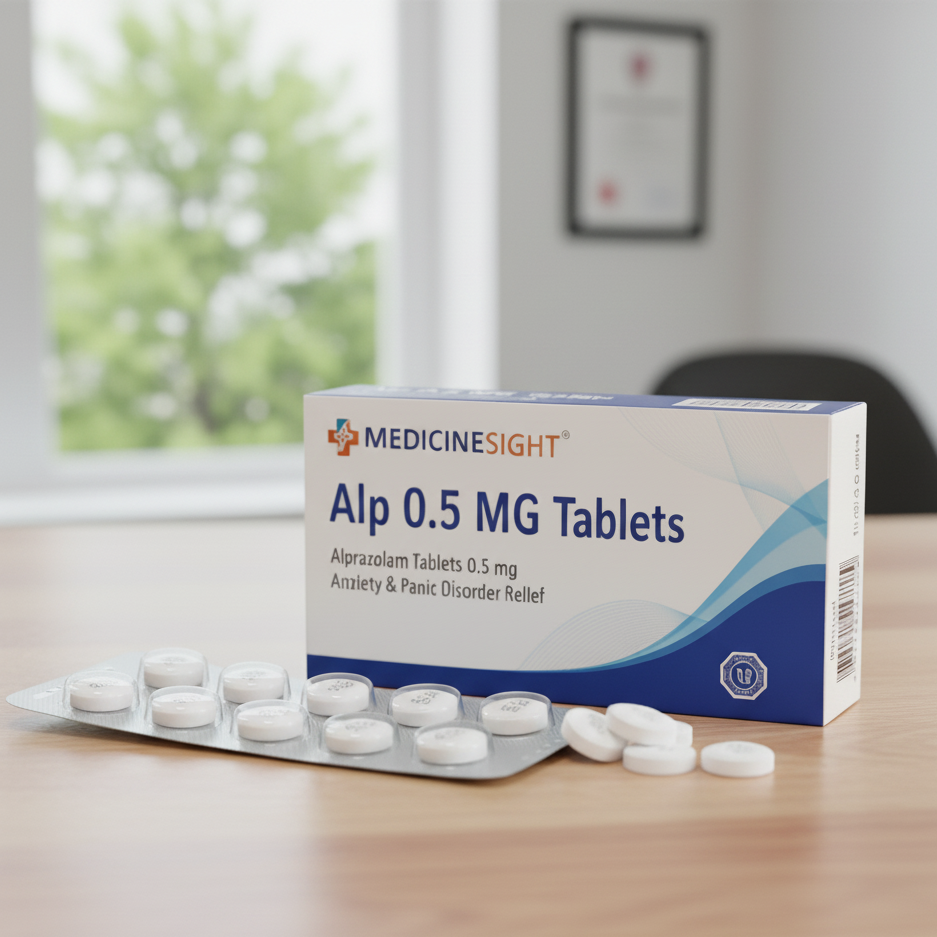
Alp 0.5 MG Tablet: What is it? Comprehending the Action Mechanism
Alprazolam is a member of the benzodiazepine class of drugs, and the Alp 0.5 MG Tablet is the typical immediate-release formulation. The basic reason this class is used is because of its rapid effects on the central nervous system (CNS). Alprazolam stands out in this class because of its quick onset and comparatively short half-life, which make it an excellent treatment for acute symptoms.
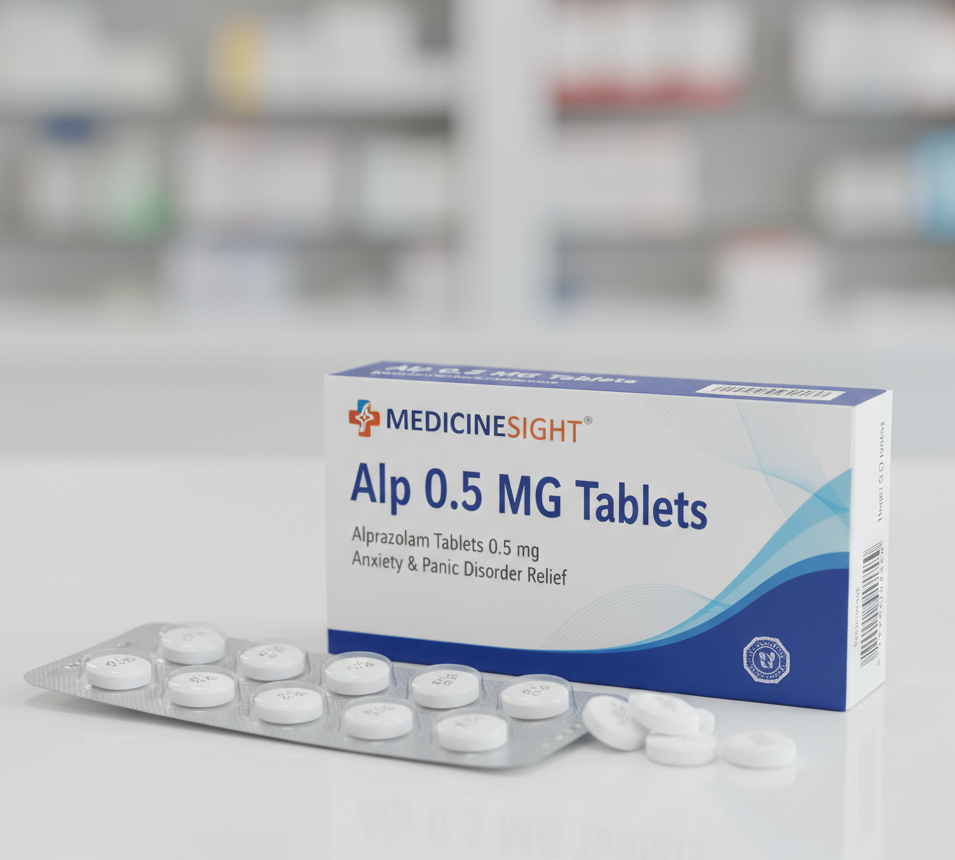
Mechanism of Action: Gamma-aminobutyric acid (GABA), a particular neurotransmitter in the brain, is increased in activity when alprazolam is taken. The primary inhibitory neurotransmitter in the central nervous system (CNS), GABA serves as the brain’s natural sedative. Alprazolam enhances the inhibitory effects of GABA when it binds to certain receptors (GABA-A receptors). This has an instant soothing, sedative, and muscle-relaxing effect because it reduces neuronal excitability throughout the brain. A common intermediate dose is 0.5 mg, which is frequently used as a conventional starting point for some anxiety disorders or after a patient has stabilized on a lesser dose.
Key Symptoms and Authorized Uses of Alprazolam 0.5 mg
The Alp 0.5 MG Tablet its basic function is to control and lessen the symbols associated with particular mental health conditions. Because of the possibility of dependence, it is usually only meant for short usage.
GAD, or Generalized Anxiety Disorder
Alprazolam is used for the brief treatment of generalized restless disorder (GAD), which is typified by excessive, ongoing, and uncontrollable worry about ordinary occurrences. Within a week of beginning treatment, the medicine usually provides relief from the physical symptoms, restlessness, and generalized tension that are associated with this disease.
(With or Without Agoraphobia) Panic Disorder
This is one of Alprazolam’s primary indications. Recurrent, unconditional panic attacks, sudden episodes of peak dread accompanied by physical symptoms including shaking, chest pain, fast heartbeat, and a feeling of losing control or dying are frequently treated and prevented with a dose of 0.5 mg. Alprazolam can be quite successful in stopping an acute panic attack because of its quick onset.
Other Possible Off-Label Uses: Although less frequent than its primary indications, alprazolam may be taken off-label in some clinical settings as an adjuvant treatment for anxiety linked to depression or for nausea and vomiting brought on by chemotherapy. It is important to remember that Alprazolam’s long-term therapy efficacy frequently wanes after 4 – 12 weeks, therefore its application is usually restricted to acute crisis management or treatment commencement.
Precise Administration & Dosage Instructions for the 0.5 mg Strength
The accurate condition being treated, the potency of symptoms, and the patient’s reaction to the first dosage all influence the ideal dosage of Alprazolam 0.5 mg. To reduce the chance of dependence and adverse effects, doctors strive for the lowest effective dosage.
For Generalized Anxiety Disorder (GAD), the standard dosage is: Three times a day, 0.25–0.5 mg is usually the first initial dose. The doctor then gradually increases the dosage every three to four days, the usual daily maximum for GAD is not more than 4 mg. The strength of 0.5 mg is frequently used as a greater first dose for more major anxiety or as a typical maintenance dose.
The first dose for panic disorder is typically 0.5 mg three times a day. A doctor may slowly raise this to 10 mg per day in rare, critical cases, but because panic disorder is so hard, the overall daily dose is usually greater, sometimes ranging from 3 to 6 mg.
Administration Information: The 0.5 mg immediate-release tablets of alprazolam are rapidly absorbed and reach their maximal plasma concentration in one to two hours. Taking it with or without food is (possibly applicable for both conditions). In order to account for slower drug metabolism and clearance, which raises the risk of sedation and side effects, the initial dose is always lower for the elderly or patients with liver or kidney impairment (e.g., 0.25 mg twice or three times daily). Never stop taking this medication suddenly, in order to avoid severe withdrawal symptoms, a doctor must start a careful, steady tapering regimen.
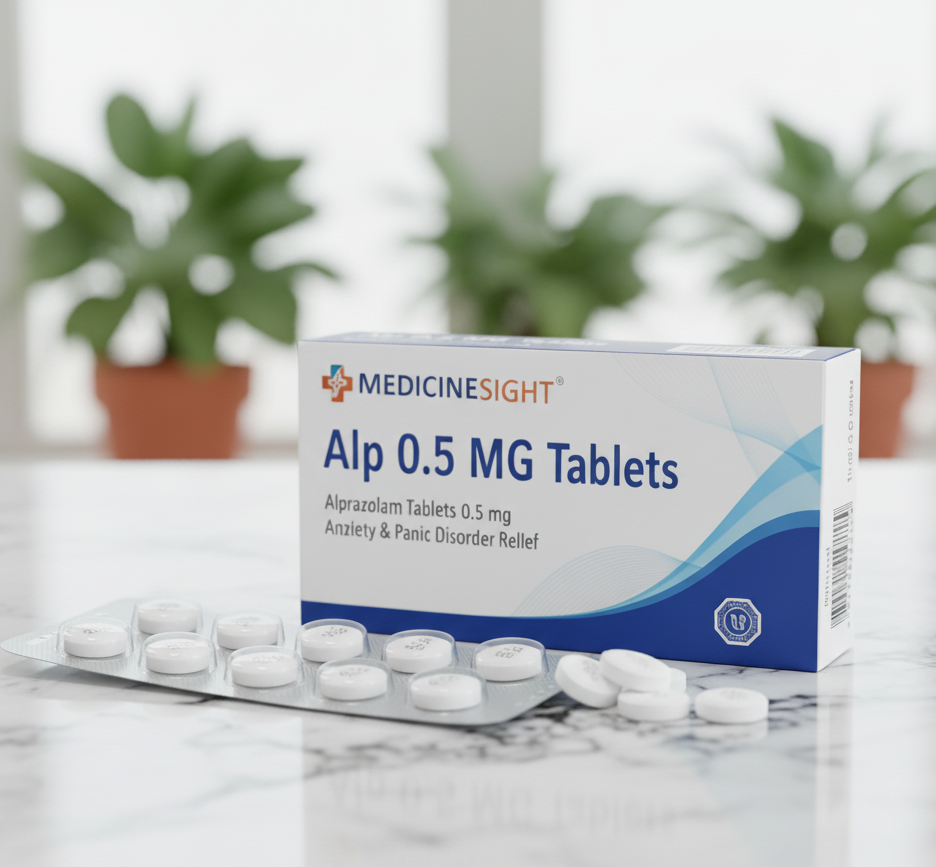
Alp-Related Common and Serious Side Effects 0.5 MG
Alprazolam 0.5 mg has a number of negative effects despite its effectiveness and efficiency. The majority of side effects are dose-dependent and relate to the CNS depressive qualities of the drug.
The most common side effects are:
Sedation and drowsiness are the most frequent adverse effects.
dizziness and lightheadedness.
Impaired Coordination: Unsteadiness, clumsiness, or lack of balance that makes driving or heavy machinery operation risky.
Memory issues include forgetfulness or trouble focusing.
Speech that is slurred.
alterations in weight or appetite.
Serious and Paradoxical Side Effects (Report Right Away): Patients should notify a healthcare provider right away if they have any severe side effects. Serious adverse effects consist of:
Breathing that is shallow or slowed, particularly when using other CNS depressants, is known as respiratory depression.
Jaundice: A yellowing of the eyes or skin that may be a sign of liver problems.
Depression & Suicidal Thoughts Getting Worse.
Paradoxical Reactions: The medicine may generate exceptional excitation, aggression, agitation, anger, or rage instead of soothing the user. Although they are uncommon, they need to stop the medication right away under a doctor’s supervision.
Important Instructions and Drug Interactions You Should Be Aware of
It is crucial to pay close attention to possible drug and substance interactions when using Alprazolam 0.5 mg because many of them carry an important risk of coma or death.
CNS Depressants with Opioids: A Black Box Warning
The most crucial interaction is with opioid drugs (such as oxycodone, hydrocodone, and codeine). When Alprazolam is taken with an opioid, the risk of severe drowsiness, respiratory depression (severe breathing difficulties), coma, and death is greatly increased. The FDA has issued its highest severe warning (a “Boxed Warning”) for this combination, which is potentially fatal.
Additional Important Interactions:
Alcohol: Drinking alcohol significantly intensifies Alprazolam’s depressant effects, resulting in severe drowsiness and potentially fatal breathing issues. Alcohol must be avoided at all costs.
CYP3A4 Inhibitors: The liver enzyme CYP3A4 is responsible for the metabolism of alprazolam. Alprazolam’s blood concentration can rise due to medications and substances that block this enzyme, such as certain antibiotics, antifungals like ketoconazole, and even grapefruit juice. This increases the possibility of serious side effects.
Pre-existing Conditions: Alprazolam should be used very carefully or not at all by patients who have a history of substance misuse, severe liver or renal disease, respiratory disorders (such as COPD or sleep apnea), or acute narrow-angle glaucoma.
Identifying the Dangers of Dependency, Withdrawal, and Appropriate Use
The Alp 0.5 MG Tablet, like all benzodiazepines, has a considerable risk of physical dependence, abuse, and addiction, especially when taken frequently or in larger dosages. Treatment should last as little time as feasible, according to responsible prescribing.
Addiction and Physical Dependency: Addiction occurs when the body needs the drug to operate normally. The patient has withdrawal symptoms if the medication is abruptly stopped. Compulsive drug usage in spite of negative effects is a hallmark of addiction. The substance is frequently abused in conjunction with alcohol or other sedatives due to its euphoric and disinhibitory effects.
Tapering and Withdrawal Symptoms: Even after only a few weeks of use, abruptly stopping Alprazolam 0.5 mg can cause severe and sometimes fatal withdrawal symptoms.
Symptoms may consist of:
Extreme restlessness, irritation, and anxiety.
Sleeplessness and difficulty focusing.
Physical signs such as tremors, perspiration, and twitching of the muscles.
Severe symptoms, such as seizures and hallucinations.
Any dosage reduction or cessation must be accomplished through a moderate, progressive tapering program that is planned and constantly watched by a healthcare provider in order to reduce this danger.
Cost, Availability, and Branded vs. Generic Alternatives (Xanax)
The patient’s choice between the branded and generic versions of Alprazolam 0.5 mg typically affects its availability and price.
Generic vs. Brand:
Brand Name: In the United States, Alprazolam was first marketed under the name Xanax.
Generic Availability: Alprazolam is easily accessible as a generic medication from a number of manufacturers since the Xanax patent has expired. The generic Alp 0.5 MG Tablet is bioequivalent to the brand-name version and has the same active ingredient (alprazolam).
Cost and Accessibility: Generic Alprazolam is far less expensive and frequently reimbursed by government or insurance programs. Depending on the drugstore, region, and insurance plan, the cost of 0.5 mg pills might vary significantly. Since generic versions are typically quite affordable, a large number of people can benefit from the treatment of anxiety and panic disorders. Patients are recommended to check local pharmacies for the most accurate cost, as prices are subject to frequent fluctuations.
Leave a Reply