
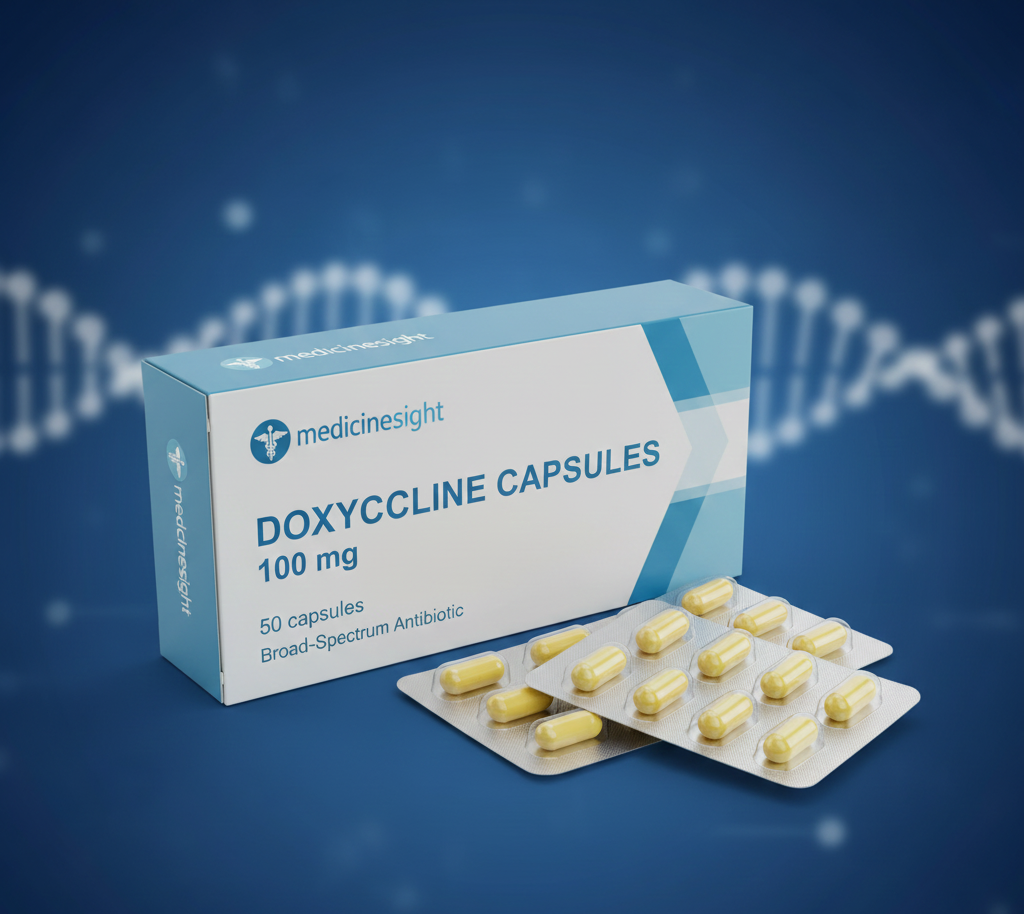
Doxycycline is a highly used antibiotic that relates to the tetracycline family. Doctors advised it for various different reasons not only to fight infections, but also to assist manage major skin problems like acne and to save travelers from malaria. The reason behind it plays various roles, is it helpful for patients to understand its function? What’s the way to take, and what instructions to follow. These guidelines break down each & everything in easy language so you know what to expect when taking doxycycline.
How Doxycycline Works?
Doxycycline never kills bacteria outright it stops them from increasing and stops making them stronger. Doxycycline enters into the bacteria body and links to part of the ribosome, disrupting protein production. Protein is important for bacteria to survive or spread. Body can easily absorb this drug, which means it can easily reach all necessary tissues effectively skin, lungs, reproductive organs, urinary tract, and more. This is very useful for a wide range of infections, including sexually transmitted infections, respiratory issues, and urinary infections. It even works against the parasite that causes malaria.
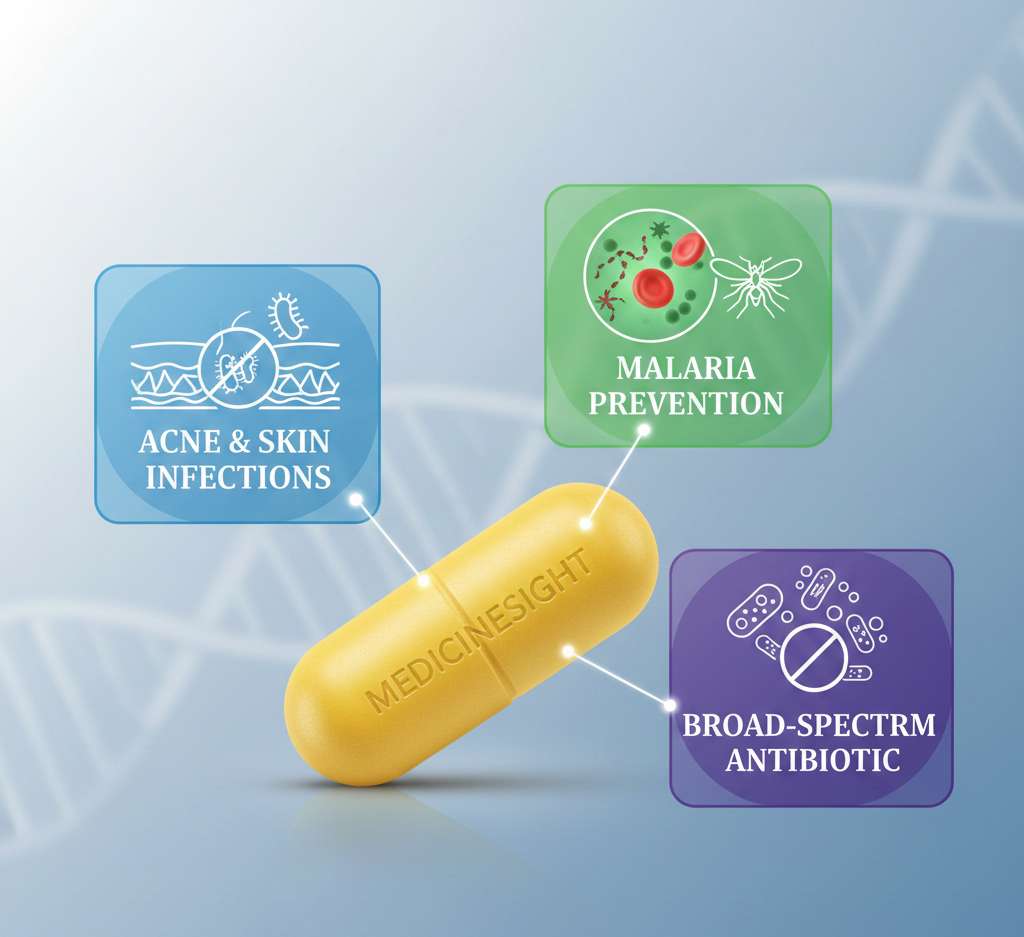
Doxycycline for Bacterial Infections
Doctors often choose doxycycline when older antibiotics don’t work well anymore. It’s commonly used for:
- Lyme disease
- Rocky Mountain spotted fever
- Cholera
- Pneumonia caused by Mycoplasma or Chlamydia
- Various skin and pelvic infections
Typical Dosage for Infections
- Day 1: 200 mg total (usually 100 mg every 12 hours)
- After day 1: 100 mg once daily, or 50–100 mg every 12 hours depending on severity
- Course length: Usually 7–14 days
Even if you start feeling better early, it’s important to finish the full course to prevent the infection from returning or becoming resistant.
Doxycycline for Acne and Rosacea
Dermatologists mostly offered doxycycline for moderate to major acne and rosacea not only for its antibacterial effect, but also because doxycycline consists of strong anti-inflammatory characteristics. For skin issues, the doses are commonly below (40–100 mg daily). At these lower levels, the medicine helps calm inflammation without encouraging antibiotic resistance. Treatment is long-term and may continue for 12 weeks or more.
Doxycycline for Malaria Prevention
If you’re going to a country where malaria is common, doxycycline can help protect you from malaria. It’s affordable and available in all drug stores, effective, and suitable even for last-minute trips.
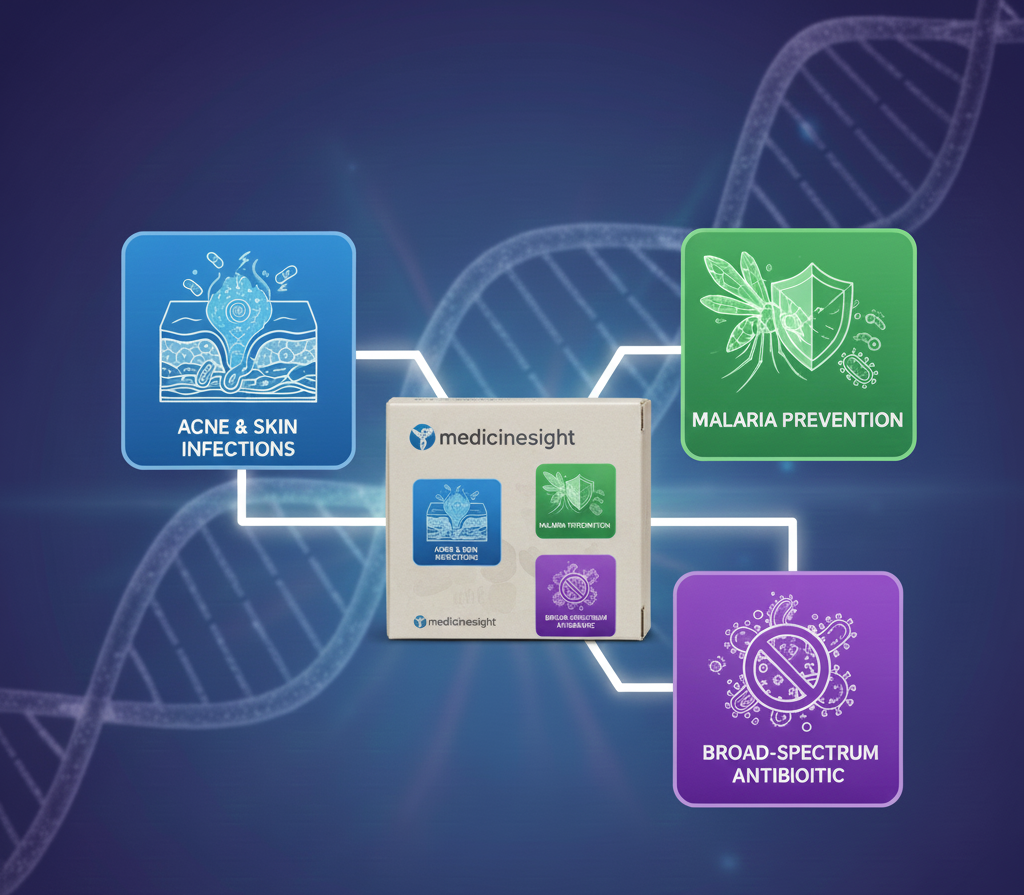
Malaria Prevention Schedule
- Start: 1–2 days before entering a malaria-risk area
- Continue: 100 mg daily during your trip
- After leaving: Keep taking it for 28 more days
This extra month is crucial it ensures any remaining parasites are cleared before they cause illness.
A bonus: doxycycline can also protect travelers from other tropical infections like leptospirosis and some types of traveler’s diarrhea.
How to Take Doxycycline Safely
To get the best results and avoid common problems, follow these guidelines:
1. Drink Plenty of Water
Take the pill with a full glass of water and stay upright for at least 30 minutes afterward. This helps prevent irritation or ulcers in your esophagus.
2. Take It With Food If Needed
Food may slightly reduce absorption, but it greatly reduces nausea so it’s fine to take with a light meal.
3. Avoid These While Taking Doxycycline
- Dairy (milk, cheese, yogurt)
- Antacids
- Iron supplements
These products can block the drug from being absorbed. Leave a 2–3 hour gap.
Side Effects and Warnings
Doxycycline is generally safe, but like all medicines, it comes with some cautions.
Sun Sensitivity
The most common issue is increased sensitivity to sunlight. You may sunburn faster than usual. Wear sunscreen, hats, and protective clothing.
Do Not Use In:
- Pregnant women (2nd or 3rd trimester)
- Children under 8 years
It can permanently discolor developing teeth.
Other Possible Side Effects
- Nausea or stomach upset
- Diarrhea
- Rarely, a condition called C. diff diarrhea seek help if you have watery or bloody stools
- Very rarely, increased pressure inside the skull (severe headaches, vision changes)
Drug Interactions
Tell your doctor about all medicines you’re taking. Some may interfere with doxycycline:
- Birth control pills – may become less effective
- Blood thinners like Warfarin – effects may increase
- Seizure medications (phenytoin, carbamazepine, barbiturates) – can lower doxycycline levels
Also inform your doctor if you have liver issues, kidney problems, lupus, or myasthenia gravis.
Frequently Asked Questions
1. How quickly does doxycycline start working?
- For infections: you may feel better within a few days.
- For acne: it may take 3–12 weeks to see clear improvement.
2. Is long-term use safe?
Yes, when monitored by a doctor. Low-dose versions are commonly used for months in rosacea. For malaria, it has been safely used for long trips as well.
3. Can I drink alcohol while taking it?
Moderate drinking is usually fine, but heavy alcohol use can reduce effectiveness and irritate the stomach. Avoid alcohol if possible.
4. Is there a difference between hyclate and monohydrate forms?
Both work well. Some people find the monohydrate version gentler on the stomach.
Leave a Reply