
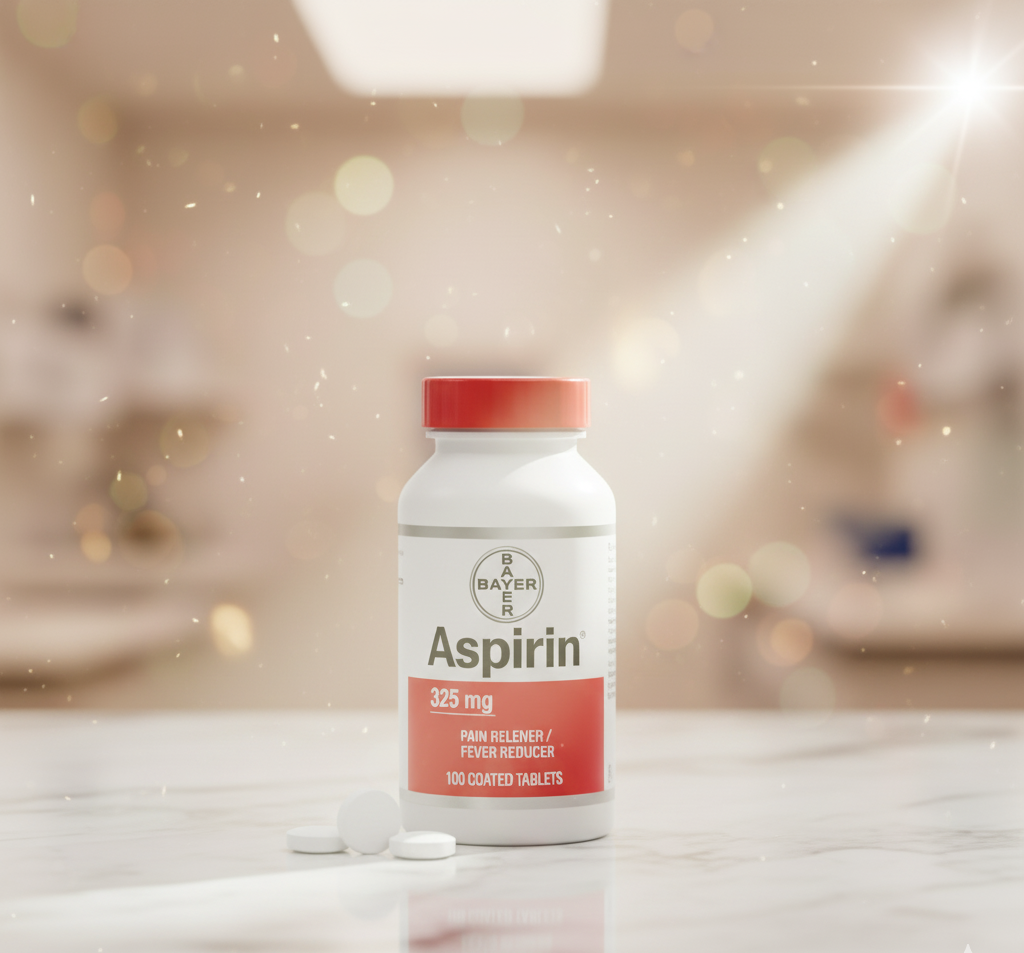
Overview of Acetylsalicylic Acid (ASA): The Basis for Aspirin Treatment
Acetylsalicylic Acid (ASA), the molecular name for aspirin, is 1 of the most well-known, oldest, and most reliable medications in the world. It has solidified its position in both over-the-counter (OTC) medication cabinets and life-saving prescription regimens since the Bayer corporation began mass producing it in the late 19th century. ASA provides a dual therapeutic function under well-known brand names like Ecotrin (a top brand for enteric-coated tablets) and Bayer (typically linked to standard and low-dose versions). In addition to being a potent NSAID (nonsteroidal anti-inflammatory drug) used to treat fever, pain, and inflammation, it is also a vital antiplatelet agent that helps prevent heart attacks and strokes. Knowing the subtleties of aspirin is essential for safe and efficient use, especially considering the wide range of formulations that are available, including conventional, chewable, and enteric-coated. For patients and researchers investigating this basic drug, this guide will offer the precise and genuine information they need.
Mechanism of Action: Aspirin’s Role in Pain Management and Heart Protection
Aspirin’s special, irreversible suppression of the cyclooxygenase (COX) enzyme system is what makes it so efficient. Aspirin creates a permanent link with COX, unlike the majority of NSAIDs that only inhibit it momentarily. As an analgesic and anti-inflammatory, it inhibits the COX-1 and COX-2 enzymes, which lowers the synthesis of prostaglandins, which are local molecules that mediate inflammation, fever, and pain. Its cardioprotective action is unique, though. Aspirin inhibits COX-1 in platelets selectively and irreversibly at low doses, which stops thromboxane A2 (TXA2) from forming. A strong substance called TXA2 makes platelets clump together and create blood clots. Low-dose aspirin effectively thins the blood and lowers the likelihood of harmful blockages in coronary and cerebral arteries, protecting heart health by blocking TXA2 throughout the duration of the platelet us life (about 7 to 10 days).
Administration and Dosage for Inflammation and Analgesia
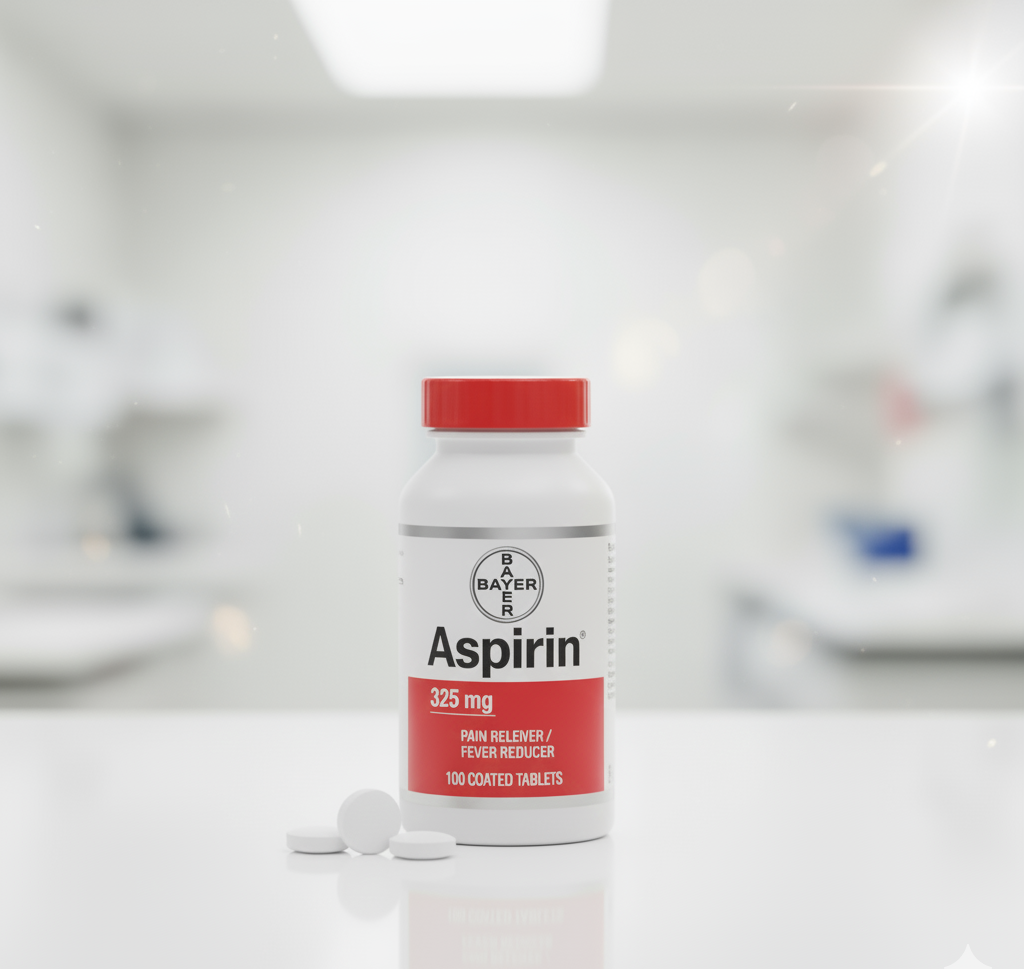
Higher, standard-strength doses of aspirin are usually used for acute inflammatory disorders such arthritis, fever decrease (antipyretic), and general pain management. Adults typically take 325 mg to 650 mg orally every 4–6 hours, depending on their needs. To reduce the typical risk of gastrointestinal irritation, it is essential to take the dose with a full glass of water and, ideally, with food or milk. The maximum daily dosage for short-term treatment should not be more than 4000 mg (4 grams). Because frequent high-dose use greatly increases the risk of peptic ulcers and gastrointestinal bleeding, patients must take caution and rigorously follow the directions on the package or their doctor’s advice. A healthcare professional should keep a close eye on the patient when using anti-inflammatory drugs for an extended period of time.
The Function of Low-Dose Aspirin in Cardiovascular Dosing (LDA)
Aspirin is taken at a considerably lower dose to directly target platelet activity in order to prevent cardiovascular events without appreciably raising the risk of serious side effects. In the US, 81 mg of what is commonly known as “Baby Aspirin” is taken once daily as part of a normal low-dose regimen. In certain areas, 100 mg is utilized. For people who have already had a heart attack, stroke, or developed coronary artery disease, this dosage is the cornerstone of secondary prevention. It is more selective and contentious when used for Primary Prevention (in those who have not experienced a cardiovascular incident). According to current guidelines, LDA should only be used for primary prevention in specific high-risk individuals following a thorough risk-benefit analysis with their physician that balances the increased risk of bleeding against the decreased chance of clotting. For long-term daily cardiovascular usage, enteric-coated forms—like Ecotrin—are frequently recommended in order to shield the stomach lining from direct discomfort.
Types and Variations: Buffered, Enteric-Coated, and Standard
The pharmaceutical industry provides a number of unique aspirin tablet varieties, each intended to address particular patient requirements and safety issues:
Standard tablets, such as Bayer Aspirin, dissolve quickly in the stomach and offer the fastest absorption for immediate pain relief or in the event of a suspected heart attack (when it should be chewed).
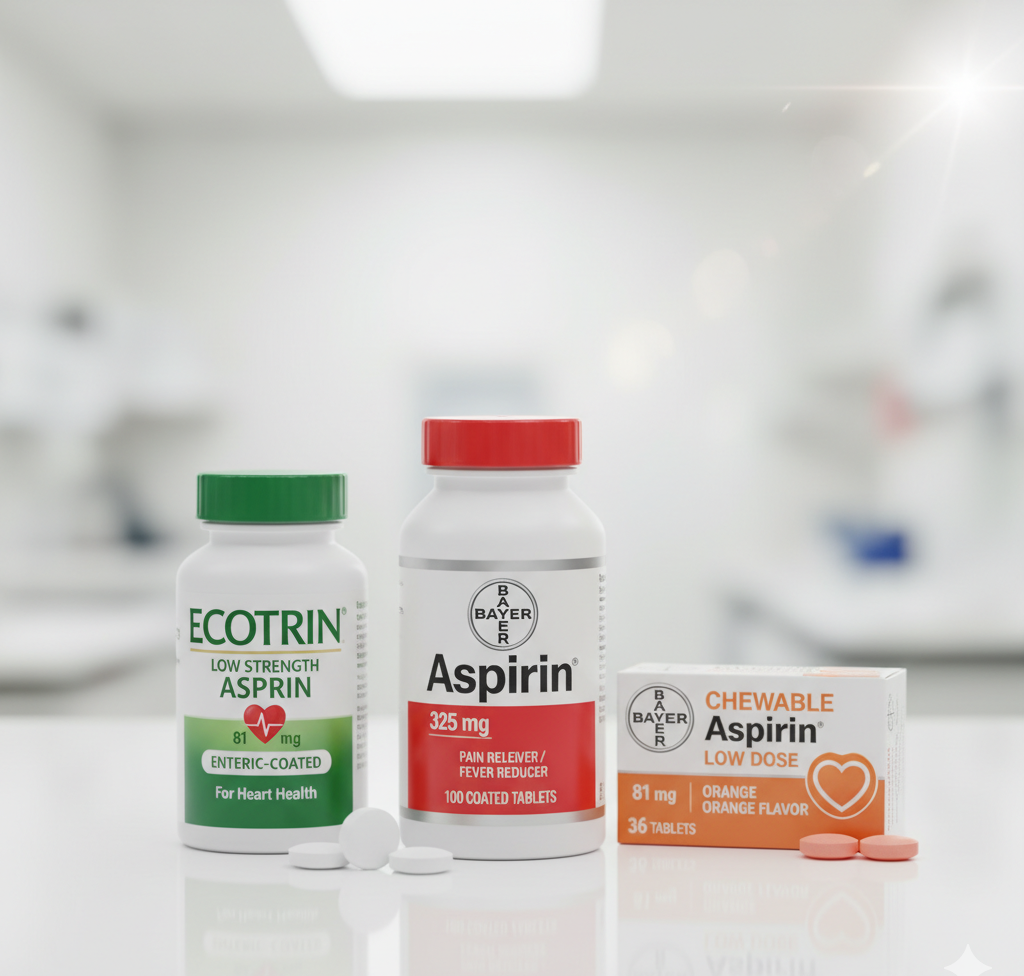
Enteric-coated tablets, like Ecotrin, are coated with a polymer that keeps them from dissolving until they get to the small intestine’s less acidic environment. This delayed release formulation is the recommended choice for long-term daily cardiovascular regimes since it considerably lessens direct irritation to the gastrointestinal mucosa. However, because absorption is slower, it is not appropriate for acute pain.
Antacids (such as magnesium carbonate or aluminum hydroxide) are included in buffered aspirin formulations to counteract the stomach acid that surrounds the dissolved tablet. Although it is intended to lessen stomach discomfort, its therapeutic superiority to regular pills is still up for debate.
81 mg baby aspirin chewable tablets are essential in emergency scenarios (such as a suspected heart attack) where the tablet needs to be chewed for quick absorption via the stomach lining and oral mucosa.
A Critical Safety Profile of Contraindications and Severe Adverse Effects
Although aspirin has important warnings and contraindications, it is generally safe for most adults. Gastrointestinal (GI) distress, which includes heartburn, nausea, and dyspepsia, is the most frequent side effect. More significantly, it raises the risk of bleeding and GI ulcers, particularly when used for an extended period of time, in large quantities, or in conjunction with alcohol or other NSAIDs. Children and teenagers are a critical and frequently fatal contraindication: Aspirin should NEVER be administered to anyone under the age of 18 who has a viral illness (like the flu or chickenpox) because of the possibility of Reye’s Syndrome, a rare but serious condition that causes swelling in the brain and liver. A known NSAID allergy, active bleeding conditions (such as hemophilia), and the third trimester of pregnancy because of the possibility of premature closure of the fetal ductus arteriosus are additional contraindications.
Drug Interactions and Expert Advice on Safe Usage
Important medication interactions must be understood by patients beginning or changing an aspirin treatment. When taking aspirin with other blood-thinning medications, such as prescription anticoagulants (like Warfarin or Rivaroxaban) or other NSAIDs (like Ibuprofen or Naproxen), the risk of bleeding is significantly increased. Moreover, excessive doses of aspirin can reduce the efficacy of some drugs used to treat hypertension (ACE inhibitors) and gout (Probenecid). The danger of stomach bleeding is significantly increased when using aspirin and regularly consuming large amounts of alcohol. All people contemplating long-term Aspirin medication, especially for heart health, should only begin treatment under the close supervision and advice of a licensed healthcare provider due to its complicated safety profile, particularly with regard to the heart and possible bleeding.
Questions / Answers (Q&A) Section for Patients and Researchers
Q: What is the main difference between Bayer Aspirin and Ecotrin?
A: The primary difference lies in their coating. Bayer Aspirin typically refers to the standard, non-coated (or possibly buffered) tablets, designed for quicker dissolution. Ecotrin is a brand name specifically for enteric-coated Aspirin. This coating prevents the tablet from dissolving in the stomach, minimizing gastric irritation, making it preferred for long-term, daily cardiovascular therapy (81 mg).
Q: Should I chew the Aspirin tablet if I think I’m having a heart attack?
A: Yes. In the event of a suspected heart attack, a person should immediately chew and swallow a standard (non-enteric-coated) 162 mg or 325 mg dose of Aspirin. Chewing facilitates rapid absorption into the bloodstream, quickly inhibiting platelets and potentially saving heart muscle tissue. Do not chew an enteric-coated tablet as the coating must remain intact to delay dissolution until the small intestine.
Q: Why is Aspirin dangerous for children and teenagers with viral infections?
A: This is due to the risk of Reye’s Syndrome, a rare but serious condition that causes swelling in the liver and brain. The exact mechanism is unknown, but there is a clear association between Aspirin use during a viral illness (like the flu, common cold, or chickenpox) and the development of Reye’s Syndrome in this age group. Acetaminophen or Ibuprofen are the preferred pain and fever reducers for children.
Q: Can I take low-dose Aspirin and Ibuprofen together for arthritis pain?
A: This combination is generally discouraged due to two risks. First, the risk of serious GI bleeding is significantly increased when combining Aspirin with other NSAIDs like Ibuprofen. Second, Ibuprofen can interfere with Aspirin’s antiplatelet (heart-protective) effect if taken shortly before the daily low-dose Aspirin, reducing its cardiovascular benefit. If you require both medications, discuss timing strategies with your doctor; sometimes, taking Ibuprofen 8 hours before or 30 minutes after the daily low-dose Aspirin is recommended.
Q: Should a patient stop taking their daily low-dose Aspirin before a surgery or dental procedure?
A: Always consult the prescribing physician or surgeon first. While Aspirin increases bleeding risk, discontinuing it prematurely can drastically increase the risk of a life-threatening heart attack or stroke. For many minor procedures, the benefit of continuous use outweighs the bleeding risk. If discontinuation is necessary, the doctor will instruct the patient to stop typically 5 to 7 days before the procedure, as this is how long it takes for new, unaffected platelets to form.
Leave a Reply