
Ibuprofen: An Overview of This Potent Nonsteroidal Anti-Inflammatory Drug (NSAID)
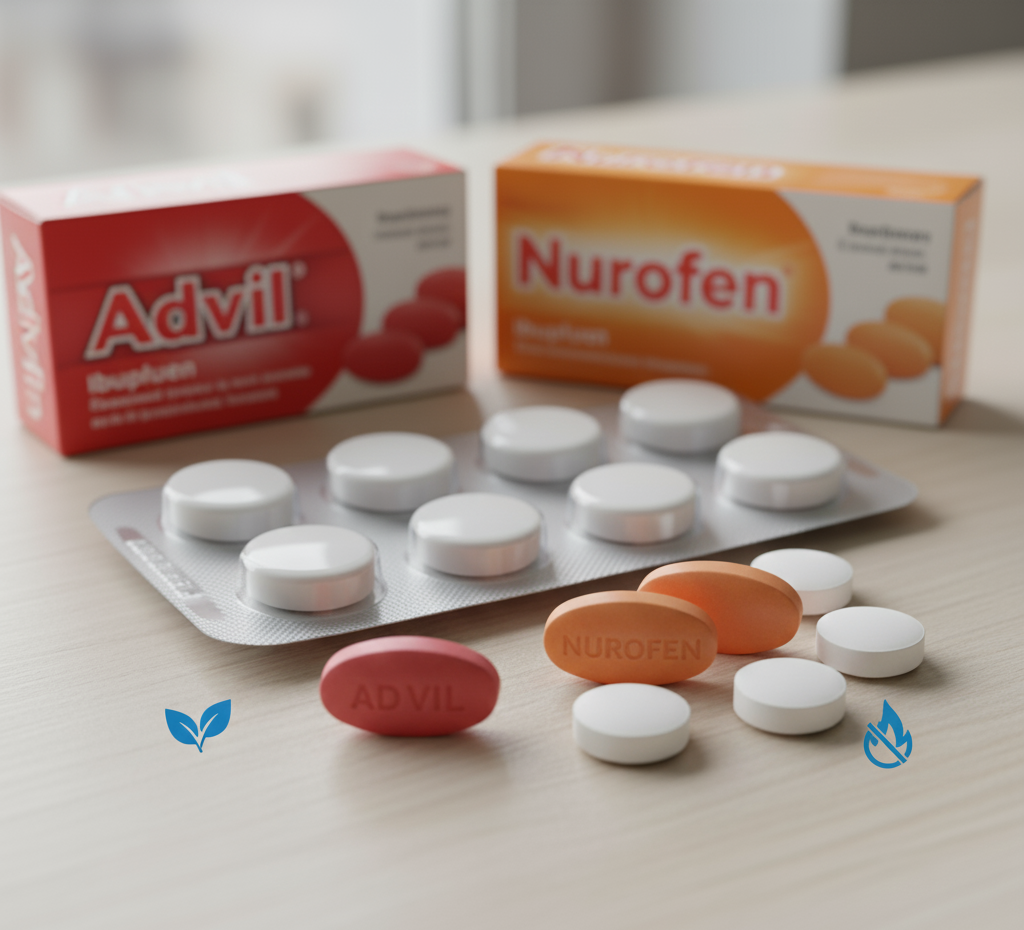
01 of the most popular and best drugs in the world, ibuprofen is sold under well-known brand names including Advil and Nurofen. Its basic function is to fight the triple danger of pain, inflammation, and fever. It belongs to the class of medications known as nonsteroidal anti-inflammatory medicines, or NSAIDs. Ibuprofen, which is approved for both recipe and over-the-counter (OTC) use, is an important part of contemporary acute and chronic pain management. It provides quick peace from a number of common illnesses because of its focused action against the body’s inflammatory pathways. Understanding the fundamental workings and intended applications of this multipurpose drug is necessary for patients seeking prompt and dependable relief, making it a vital component of any home’s medicine cabinet. The fact that Ibuprofen is so commonly used to treat pain confirms its importance as a medication.
Mechanism of Action: Addressing the Inflammatory and Painful Root Causes
Ibuprofen’s genuine and active activity is based on its capacity to save the synthesis of especially chemical messengers known as prostaglandins. The characteristic symptoms of inflammation swelling, heat, redness, and pain are brought on by these substances, which the body releases in reaction to damage or disease injury and Cyclooxygenase-2 (COX-2) , 2 important enzymes. The intended therapeutic effects, a relief in pain and inflammation are brought about via the suppression of COX-2. Tension headaches, migraines, tooth pain, menstrual cramps (dysmenorrhea), muscle aches, minor injuries, and the chronic inflammation connected to diseases like osteoarthritis and rheumatoid arthritis are just a some of the many therapeutic uses. Additionally, it works quite well as an antipyretic, quickly lowering feverishly increased body temperatures.
Precise Dosage and Administration: Appropriate Dosage and Daily Limits
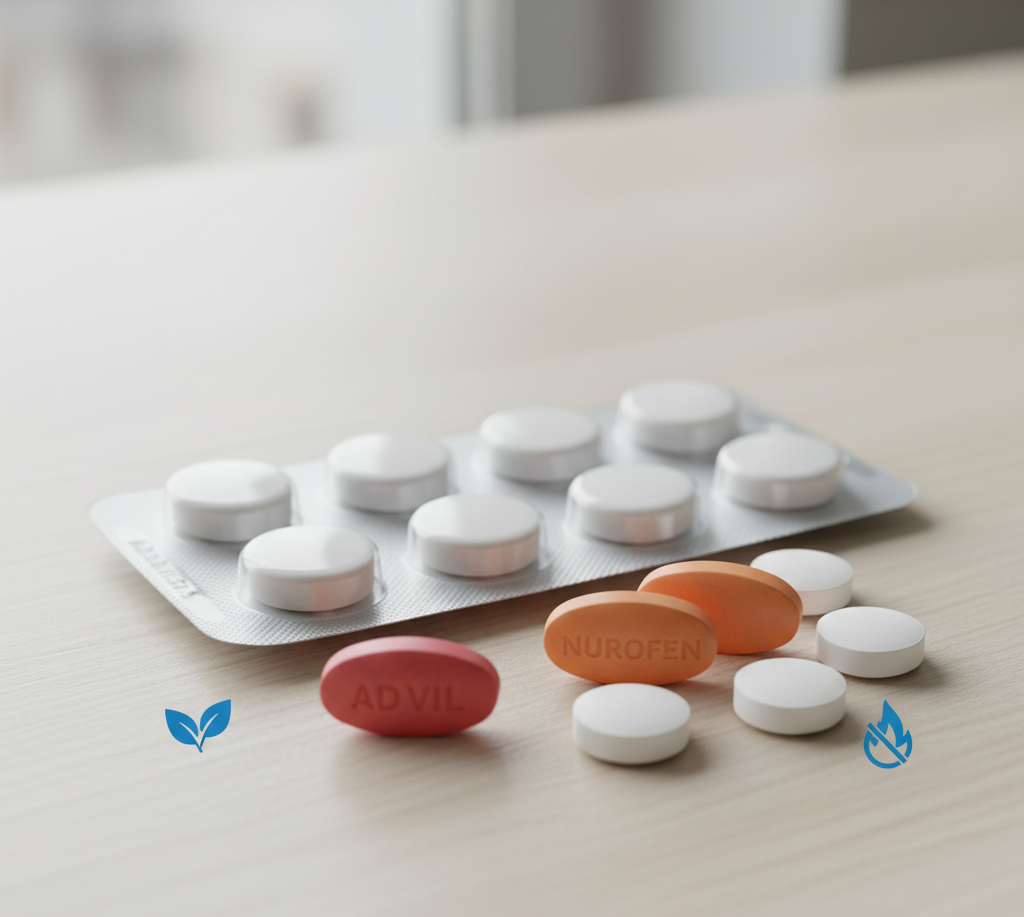
Achieving a therapeutic impact while lowering hazards requires precise dosing. For the treatment of fever and pain, adults should normally take 200–400 mg of Ibuprofen (Advil/Nurofen) every 4–6 hours as needed. Prescription dosages for chronic inflammation or more severe illnesses might be as high as 600 mg or 800 mg per dose. The maximum daily dose, which should not be more than 1200 mg for over-the-counter usage and typically 3200 mg under medical supervision, divided into many doses, must be closely followed. Dosage for children must be carefully determined depending on their age and weight, using liquid suspensions instead of adult tablets, and always referring to the product’s booklet or a medical expert. A fundamental tenet of prudent NSAID use is to take the lowest effective dose for the shortest amount of time required.
Necessary Guidelines for Appropriate Use and Safety Levels
The most necessary recommendation for taking Ibuprofen is to take it with a large glass of water, food, or milk. This considerably lowers the possibility of gastrointestinal restlessness, a frequent NSAID adverse effect. Tablets must be swallowed whole, without being broken up or chewed. Ibuprofen should never be taken with other NSAIDs (such Naproxen or high-dose aspirin) or aspirin for pain management because doing so significantly raises the risk of adverse effects, especially bleeding in the stomach. A history of stomach ulcers or gastrointestinal bleeding, severe heart failure, kidney illness, or a documented NSAID sensitivity are among the main oppositions. Ibuprofen should not be taken during the third trimester of pregnancy. If the discomfort lasts longer than 10 days or the fever lasts more than 3 days, you should always see a doctor.
Possible Adverse Reactions and Crucial Drug Interaction Knowledge
Ibuprofen is typically safe, however patients should be informed of the possibility of side effects. The most frequent side effects are related to the digestive system and include nausea, upset stomach, and moderate indigestion. Even though they are less frequent, more important side effects require prompt medical intervention. These include symptoms of severe allergic reactions (e.g., breathing difficulties, swelling), kidney problems (e.g., changes in urine), and gastrointestinal bleeding (e.g., black, tarry stools or vomiting blood). Additionally, the FDA has warned that long-term usage and large dosages may increase the risk of major cardiovascular thrombotic events, such as heart attacks and strokes. Monitoring drug interactions is important: When combined with anticoagulants such as Warfarin or specific antiplatelet medications, ibuprofen can reduce the effectiveness of some blood pressure medications (diuretics) and raise the risk of bleeding.

Particular Attention to Pediatric, Elderly, and Innovative Formulations
Because of Ibuprofen’s effectiveness, many formulations have been created to suit various populations. For the treatment of fever and pain, pediatric ibuprofen is usually supplied as a concentrated oral suspension with specialized measuring tools, which makes right weight-based dosage for kids easy and enjoyable. It is usual medical practice to start with lower doses in the elderly because of age-related changes in kidney function that can slow down medication clearance and increase the likelihood of side effects. In addition to the conventional tablets, rapid-acting versions such as Ibuprofen liquid gels, which are frequently used in Advil, are made to be absorbed and act more quickly. Furthermore, topical Ibuprofen gels are available, which minimize systemic exposure and lower the possibility of internal adverse effects by providing localized anti-inflammatory treatment at the site of musculoskeletal injury.
Questions / Answers Section: Patient and Researcher Insights
| Question | Answer |
| Q: What is the difference between Advil and Nurofen? | A: There is no medicinal difference. Both Advil and Nurofen are brand names for the active ingredient Ibuprofen. They are chemically identical and offer the same pain relief and anti-inflammatory effects, though they may have different inactive ingredients (fillers, dyes) or slightly different formulations (e.g., liquid gels). |
| Q: Can I take Ibuprofen if I am also taking Aspirin for heart protection? | A: You must talk to your doctor. Ibuprofen can interfere with the anti-clotting effect of low-dose Aspirin used for heart health. If you must take Ibuprofen, your doctor may advise taking Ibuprofen at least 8 hours before or 30 minutes after your daily Aspirin dose. |
| Q: How long does it take for Ibuprofen to start working? | A: For most people, pain relief and fever reduction begin within 30 to 60 minutes after taking the tablet. Liquid gel capsules may work slightly faster due to quicker absorption. |
| Q: What is a common sign of a serious stomach side effect from Ibuprofen? | A: A critical sign is passing black, tarry stools (melena) or vomiting material that looks like coffee grounds. These indicate bleeding in the upper digestive tract and require immediate emergency medical attention. |
Q&A for Researchers (Scientific Mind)
| Question | Answer |
| Q: What is the relative COX-1/COX-2 selectivity profile of Ibuprofen? | A: Ibuprofen is considered a non-selective COX inhibitor. While it inhibits both enzymes, its clinical efficacy is primarily attributed to COX-2 inhibition for anti-inflammatory action. Its non-selectivity is responsible for its gastrointestinal side effects (due to COX-1 inhibition). |
| Q: What is the primary pathway for Ibuprofen metabolism? | A: Ibuprofen is primarily metabolized in the liver by the cytochrome P450 enzyme system, specifically the CYP2C9 isoenzyme, and to a lesser extent, CYP2C8. The resulting metabolites are largely inactive and excreted in the urine. |
| Q: How does Ibuprofen affect uric acid levels in the body? | A: Unlike some NSAIDs (like high-dose aspirin), Ibuprofen at typical doses is generally uricosuric neutral or has a minimal effect on serum uric acid levels. It is sometimes used off-label to manage acute gout flares due to its anti-inflammatory properties, rather than its effect on uric acid. |
Leave a Reply